
How Branded Pet Weight Charts Can Transform Your Veterinary Clinic Walls
Discover how branded pet weight charts for veterinary clinic walls boost client trust, reinforce your clinic brand, and create lasting impressions.

Written by
Dylan Santos
Bags & Totes
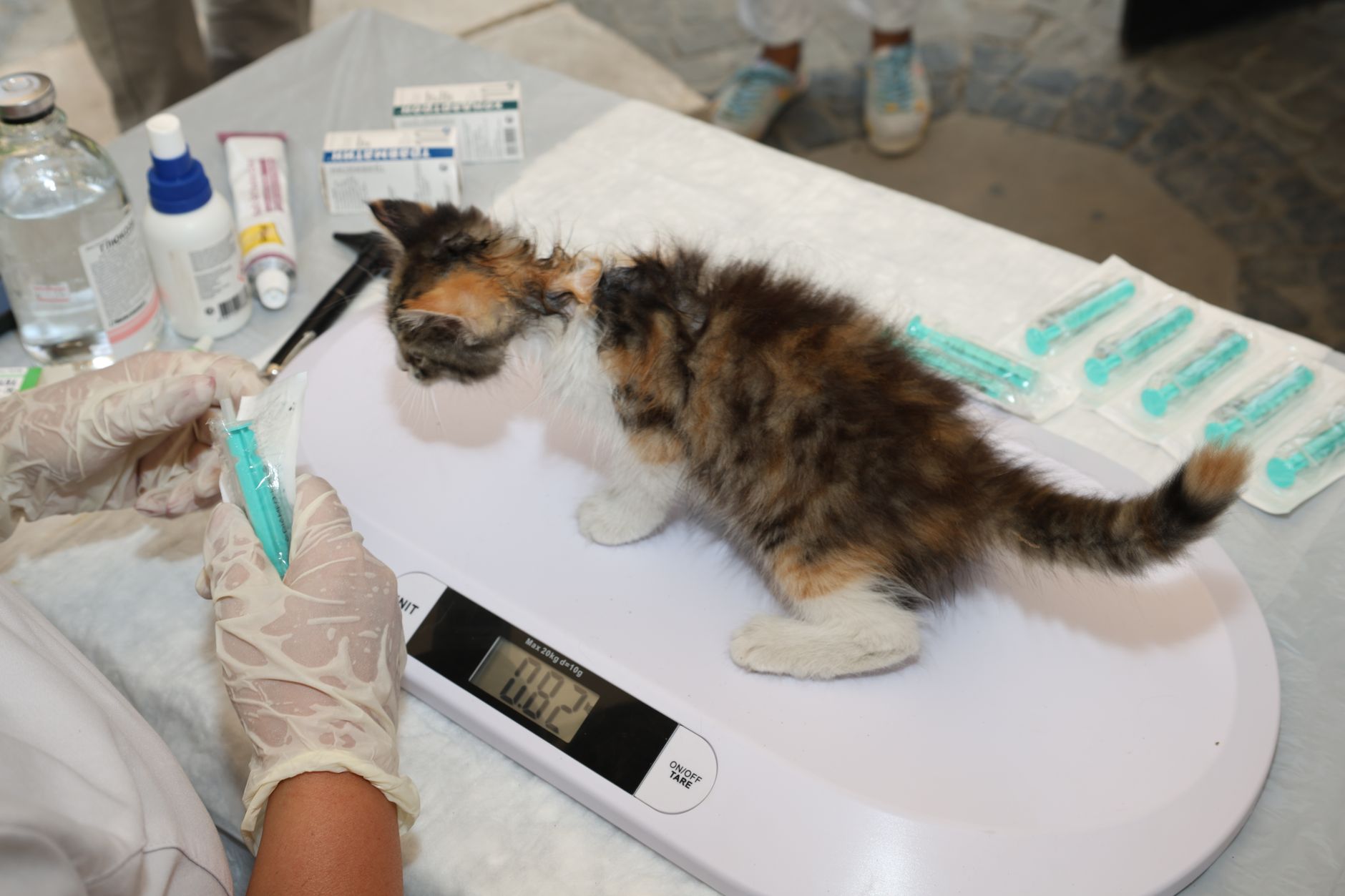
Walking into a veterinary clinic, pet owners are often anxious, distracted, and looking for something — anything — to reassure them that their beloved companion is in expert hands. What they see on the walls matters more than most clinic managers realise. Branded pet weight charts for veterinary clinic walls are one of the most underused yet highly effective tools in a vet’s marketing and client education arsenal. They serve a dual purpose: delivering genuinely useful clinical information while reinforcing your clinic’s identity every single time someone glances up. In a sector where trust is everything, that combination is powerful.
Why Veterinary Clinics Should Invest in Custom Wall Charts
Wall charts have been a staple of medical and educational environments for decades, and veterinary clinics are no exception. But there’s a significant difference between a generic, off-the-shelf weight chart downloaded from a supplier’s catalogue and a beautifully designed, professionally printed branded chart that carries your clinic’s logo, colour palette, and contact details.
Generic charts are forgettable. Branded charts are a marketing asset.
Consider a busy mixed-practice clinic in suburban Brisbane. The waiting room sees dozens of clients each week — dog owners, cat owners, the occasional rabbit enthusiast. Every minute those clients spend waiting is an opportunity to communicate your brand values, educate them about their pet’s health, and subtly reinforce why they chose your clinic. A branded weight chart does all three simultaneously without requiring any staff involvement.
The Educational Value Proposition
Pet weight charts provide genuinely useful reference information. Body condition scoring systems for dogs and cats, healthy weight ranges by breed, and visual guides to identifying overweight or underweight animals are all content that pet owners engage with. When that content carries your clinic’s name and logo, it positions your team as educators and trusted advisors — not just service providers.
This educational angle is particularly valuable for clinics that focus on preventive care. Obesity is one of the most common preventable health conditions in Australian companion animals, so having clear, accessible visual references on your walls creates natural conversation starters between clients and staff.
What to Include on Branded Pet Weight Charts for Veterinary Clinic Walls
Getting the design right is as important as the decision to order in the first place. A well-designed chart needs to balance clinical accuracy with visual appeal and brand consistency.
Essential Chart Elements
Body condition scoring (BCS) visuals: The most universally useful element, showing silhouettes of animals ranging from underweight to obese, typically on a 1–9 or 1–5 scale. These are immediately relatable for pet owners.
Weight ranges by breed or species: Healthy adult weight ranges for the most common breeds you see in your practice. A chart segmented by breed category (toy, small, medium, large, giant) is practical and easy to read at a glance.
Your clinic branding: Logo placement, brand colours, clinic name, phone number, website, and social media handles. This turns every chart into a subtle but persistent marketing touchpoint.
QR codes: Linking to your online booking system, a specific health resource page, or a pet wellness guide is a smart addition that bridges the physical and digital experience for your clients.
Seasonal health reminders: Some clinics opt for a version that includes space for seasonal messaging — tick and flea prevention reminders in summer, weight management campaigns in winter.
Choosing the Right Format and Size
For waiting room walls, A1 or A0 format works best for readability. Consultation room charts can be smaller — A2 or A3 — since clients are closer to the material. If you’re fitting out multiple rooms across a clinic in Melbourne or a multi-location practice across the Gold Coast, think about consistency in sizing and placement for a polished, cohesive look.
Decoration Methods and Material Options
The way your chart is produced determines how long it lasts, how good it looks, and how well it holds up in a clinical environment.
Digital printing is the most common and practical method for wall charts of this nature. It allows full-colour reproduction, photo-quality imagery, and sharp text — all critical for a chart that needs to convey detailed visual information. If you’re comparing print methods for other products in your practice, our guide to turnaround times for screen printing vs digital printing is worth reading before you commit to a production pathway.
Laminated poster prints are the standard for most clinic environments. They’re durable, wipeable (important in a clinical setting), and cost-effective in small to medium print runs.
Foam-mounted or PVC board prints offer a more premium finish and are easier to mount directly to walls without frames. These are particularly well-suited for consultation rooms where the chart will be a permanent fixture.
Fabric or canvas prints are growing in popularity for upmarket clinics that want a warmer aesthetic in their waiting areas. They’re less clinical in feel and can complement premium interior design choices.
Minimum Order Quantities and Budget Considerations
One of the most common questions from clinic managers and practice owners is around minimum order quantities (MOQs). For custom-printed wall charts and posters, MOQs tend to be low — many suppliers will print from as few as one unit for digital formats, making this accessible even for single-location clinics.
However, there’s a clear economy of scale at work. Ordering for multiple rooms within a clinic, or across a group practice with locations in Sydney, Adelaide, and Perth, significantly reduces the per-unit cost. For a practice network, standardising branded wall collateral across all locations is both a branding and an operational efficiency win.
Budget expectations vary based on size and finish:
- A2 laminated poster: Typically $15–$45 per unit depending on quantity and supplier
- A1 foam-mounted print: Typically $45–$90 per unit
- A0 PVC board print: Typically $80–$150 per unit
These are rough indicative ranges — always request a formal quote with your specific artwork and quantities.
Extending Your Clinic’s Brand Beyond the Wall
Once you’ve committed to branded wall collateral, it’s worth thinking about how this fits into a broader branded clinic environment. The wall chart is one piece of a larger puzzle.
Branded merchandise at the reception counter — things like promotional keyrings for client gifts adapted for pet welcome packs, or custom drinkware like branded cups for staff — all contribute to a consistent brand experience. Even how you think about branding your clinic’s clothing for nurses and front-of-house staff plays into the overall impression.
The goal is coherence. When every touchpoint — walls, uniforms, merchandise, signage — reinforces the same visual identity, your clinic feels professional, established, and trustworthy. That perception directly influences client retention and referrals.
Working with a Graphic Designer
Unless your clinic already has polished brand assets (logo files in vector format, brand colour codes, approved fonts), it’s worth investing in a graphic designer before briefing your merchandise supplier. A well-designed chart that’s been professionally laid out will look dramatically better than a DIY approach, and it creates artwork you can repurpose across multiple products.
Most merchandise suppliers will require print-ready artwork or will offer a basic design service for an additional fee. If you’re a practice in Canberra or Darwin without an in-house designer, ask your supplier what design support they offer and factor that into your timeline.
Artwork Requirements and Proof Approval
Before any custom wall chart goes to print, you’ll work through an artwork proof process. This is where you’ll confirm:
- Colour accuracy — especially important if you have a specific brand colour. Ask about PMS (Pantone) colour matching if consistency across multiple products is critical
- Text accuracy — clinic name, phone number, website URL, and any clinical information must be checked carefully
- Resolution and bleed — images and graphics need to be supplied at 300dpi minimum for print. Your designer should understand print-ready file requirements
- Final sign-off — most suppliers require written proof approval before proceeding to production
Turnaround times for custom printed wall charts are typically five to fifteen business days from proof approval, depending on the supplier and finish type. If you have a clinic rebrand, a new location opening, or a specific campaign launch date, build in adequate lead time.
Conclusion: Key Takeaways for Veterinary Clinics
Branded pet weight charts for veterinary clinic walls are a smart, cost-effective investment that works on two levels simultaneously — educating your clients and marketing your practice every day without any ongoing effort.
Here are the key things to keep in mind:
- Design quality matters: Invest in professional artwork that accurately reflects your clinic’s brand identity. Poorly designed charts undermine the trust you’re trying to build.
- Choose the right material for the environment: Laminated prints for high-traffic areas, foam-mounted or PVC board for permanent consultation room fixtures.
- Think beyond one chart: A cohesive branded clinic environment — walls, uniforms, merchandise — creates a stronger overall impression than any single item can achieve alone.
- Plan for multiple locations: If you operate across more than one site, standardising branded wall collateral is an efficiency and brand consistency win.
- Factor in lead times: Allow at least two to three weeks from brief to installation to avoid last-minute pressure, particularly if you’re also producing other clinic branded items at the same time.
Done well, a branded weight chart is far more than a poster. It’s a daily reminder to every client in your waiting room that your clinic is professional, caring, and worth recommending.