
Business Cards Printing in Australia: The Complete Guide for 2026
Everything Australian businesses need to know about business cards printing — from design tips to decoration methods, MOQs, and ordering advice.

Written by
Amira Walsh
Stationery & Office
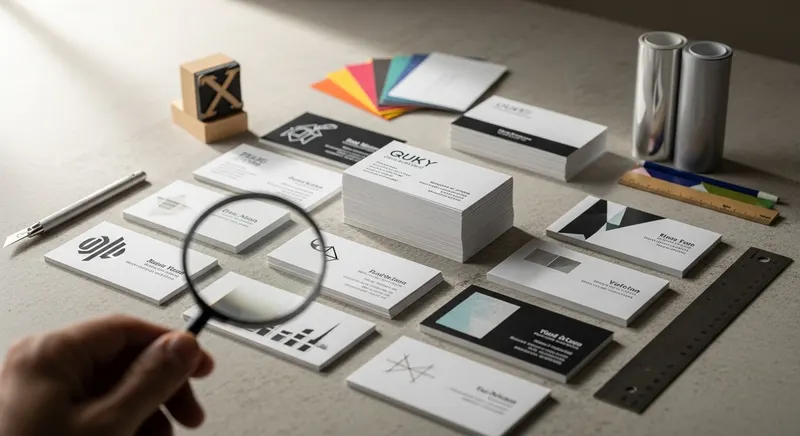
First impressions matter. Whether you’re handing over a card at a Melbourne networking event, following up a trade show in Brisbane, or introducing your brand to a new client in Perth, a well-designed, professionally printed business card does a lot of heavy lifting in a very small space. Yet despite the rise of digital communication, business cards remain one of the most cost-effective and enduring tools in any organisation’s branding toolkit. If you’re looking to get business cards printing right — first time, every time — this guide covers everything you need to know, from choosing the right stock and finish to managing your order like a pro.
Why Business Cards Still Matter for Australian Organisations
It might seem old-fashioned in a world full of LinkedIn profiles and digital QR codes, but the physical business card continues to hold its ground. Research consistently shows that people are more likely to remember a brand when they receive something tangible, and a high-quality printed card reinforces your professionalism in ways a screen simply can’t replicate.
For Australian businesses especially, the face-to-face culture at industry events, trade shows, and local expos makes business cards an essential touchpoint. Think of a Sydney-based financial services firm attending a national conference, or a Gold Coast real estate agency equipping its entire sales team with premium cards before an open home season. In both cases, the card isn’t just contact information — it’s a physical extension of the brand.
Beyond networking, business cards serve practical purposes across sectors:
- Corporate businesses use them to reinforce brand consistency across teams
- Government departments and councils distribute them at community consultation events
- Schools and educational institutions hand them out at parent information nights
- Charities and not-for-profits use them to build credibility with donors and partners
- Event planners rely on them to stay top-of-mind with venues, suppliers, and clients
When combined with a thoughtful branded merchandise strategy — think custom branded stickers or personalised vehicle logos — business cards become part of a cohesive brand presence rather than a standalone item.
Choosing the Right Card Stock for Business Cards Printing
One of the biggest decisions you’ll make is the stock your cards are printed on. The thickness, texture, and material all affect how your card feels in someone’s hand — and that tactile experience matters more than most people realise.
Standard Card Stock (300–350gsm)
This is the entry-level option and the most affordable. It’s perfectly adequate for organisations with high-volume needs, such as a large Adelaide call centre onboarding dozens of new staff. Cards in this weight range are lightweight, easy to print on, and available in gloss, matte, or satin finishes.
Premium Card Stock (400–600gsm)
Thicker cards convey quality. If your brand positions itself as premium or high-end, investing in a heavier stock immediately changes how your card is perceived. Many professional services firms in Canberra and Melbourne opt for this weight for senior leadership cards.
Specialty Materials
For organisations that want to stand out, there are some genuinely interesting options:
- Kraft or recycled paper stock — ideal for eco-conscious brands or not-for-profits wanting to reinforce sustainability values
- Soft-touch laminate — adds a velvety, tactile finish that feels luxurious
- Textured or linen stock — gives an artisanal, handcrafted quality
- Foil board — pairs beautifully with foil stamping decoration
If sustainability is part of your brand story, you might also explore how eco-friendly branded merchandise can extend that message across your entire product range.
Decoration Methods and Finishes for Business Cards
Business cards printing goes far beyond putting black ink on white cardboard. The finish and decoration method you choose can dramatically elevate the end result.
Digital Printing
The most common method for business cards printing in Australia. Digital printing delivers full-colour results with sharp detail and is cost-effective for short to medium print runs. Turnaround times are typically fast — often 3 to 5 business days for standard orders. Understanding how digital printing compares to other methods is worth exploring before you commit; our guide to turnaround times for screen printing vs digital printing breaks this down in detail.
Offset Printing
Better suited to very large runs (typically 1,000+ cards), offset printing delivers exceptional colour accuracy and consistency. It’s the preferred choice when PMS colour matching is critical — particularly important for organisations where brand colour compliance is non-negotiable.
Foil Stamping
A metallic foil (gold, silver, rose gold, holographic) is heat-pressed onto the card surface. Foil stamping works beautifully on logos, names, and borders. It adds a premium feel that’s hard to replicate digitally.
Spot UV Coating
A clear, high-gloss varnish is applied to specific areas of the card — your logo, for example — creating a striking contrast between matte and glossy surfaces. Spot UV is one of the most popular premium finishes in Australian business card printing right now.
Embossing and Debossing
These techniques press a design into the card stock to create a raised (embossing) or recessed (debossing) effect. Both add a tactile, sophisticated quality that makes cards genuinely memorable.
Edge Painting
The edges of the card are hand-painted in a bold colour — often matching your brand’s primary colour. It’s a detail most people only notice when they look closely, but it signals real attention to craft.
Artwork Requirements and Ordering Process
Getting your artwork right before you submit an order saves significant time and avoids costly reprints. Here’s what most Australian print suppliers will require:
- File format: PDF (print-ready), AI, or EPS files are preferred. High-resolution JPEGs are sometimes accepted but rarely ideal.
- Resolution: Minimum 300 DPI at actual print size
- Colour mode: CMYK (not RGB — colours will shift in printing if you supply RGB files)
- Bleed: Typically 3mm bleed around all edges
- Safe zone: Keep important text and logos at least 3mm inside the trim edge
- Fonts: Outline or embed all fonts to avoid substitution issues
Many organisations find it helpful to consult a graphic designer for their first order, particularly if they don’t have brand guidelines already set up. If you’re working across multiple branded items — say, combining business cards with custom USB drives or branded travel mugs for a corporate gifting package — consistency across artwork files is crucial.
Minimum Order Quantities and Pricing
Business cards printing is highly scalable in terms of pricing. Typical MOQs in Australia start at around 50 to 100 cards for digital printing, making it accessible even for sole traders and micro-businesses. Bulk pricing tiers usually kick in at:
- 250 cards
- 500 cards
- 1,000 cards
- 2,500+ cards
For a team of 20 staff, each needing 100 cards, you’d typically be looking at a 2,000-card order — which puts you comfortably in a mid-tier pricing bracket. Per-card costs drop significantly at higher volumes, so it’s worth ordering a slightly larger quantity upfront rather than reordering frequently at a higher unit cost.
Setup fees vary depending on the supplier and complexity of the job. Digital printing typically has minimal or no setup fees, while offset or foil-based jobs may carry setup charges that are offset by lower per-unit costs at volume.
Tips for Getting the Most From Your Business Cards Printing Order
Keep Design Clean and Purposeful
Resist the temptation to cram every piece of contact information onto the card. A clean design with your name, title, email, phone, and website is almost always more effective than a card cluttered with social handles, fax numbers, and lengthy taglines.
Order for the Whole Team at Once
Economies of scale mean ordering for five team members at once is significantly cheaper per card than five separate orders. This also ensures design consistency across your organisation.
Consider a QR Code
A well-placed QR code linking to your website, LinkedIn profile, or a digital contact card adds functionality without cluttering the design. It also bridges the physical and digital worlds neatly.
Request a Physical Proof for Premium Finishes
If you’re investing in foil stamping, spot UV, or edge painting, always request a physical sample before approving the full run. What looks right on a screen can occasionally surprise you in print. This principle applies equally to other branded items — for example, if you’re ordering custom varsity jackets or branded wide-brimmed hats with embroidery, a physical sample approval step is always worthwhile.
Bundle Your Stationery Order
Many suppliers offer better pricing when you bundle multiple stationery items together. Combine your business card order with custom branded stickers for print, letterheads, or notepads to maximise value and ensure brand consistency across all printed materials.
Think Beyond the Standard Rectangle
Die-cut business cards in custom shapes, square formats, or rounded corners can make your card stand out in a pile. For creative industries, hospitality, or event planners, a non-standard shape is a memorable conversation starter.
Managing Business Cards Across Large Organisations
For larger organisations — a Darwin-based mining company with hundreds of field and office staff, or a Melbourne university with dozens of departments — managing business card orders can become surprisingly complex. A few strategies help:
- Centralise your brand template: Create a locked template where individuals can update their name and contact details without altering layout, fonts, or colours
- Use an approved supplier list: Standardise ordering through approved suppliers to maintain quality and compliance
- Keep a reorder schedule: Cards run out faster than you’d expect. Build a quarterly or biannual review into your marketing calendar
- Consider a business card portal: Some promotional merchandise suppliers offer online ordering portals where staff can self-manage reorders within preset brand guidelines
If you’re managing a broader branded merchandise programme, it’s also worth reading about white label promotional products for reseller businesses to understand how larger organisations can structure their branded goods supply chain more efficiently.
Complementary Products to Pair With Your Business Cards
Business cards rarely exist in isolation. For maximum brand impact, consider pairing them with complementary items that reinforce your identity at key touchpoints:
- Custom straw tote bags for trade show and event giveaways
- Thermos drinking bottles or branded travel mugs as premium client gifts
- Personalised gym towels for health and fitness businesses
- Custom tea towels for hospitality and food brands
- Waterproof bags for outdoor or adventure-based businesses
- Branded winter blankets and beanies for corporate gifting campaigns
Each of these items, used alongside a professional business card, contributes to a consistent, memorable brand experience.
Finding the Right Supplier
If you’re searching for local options, our guide to stationery stores near me is a useful starting point for understanding what to look for in a quality printing supplier — including turnaround times, proof processes, and what questions to ask before placing your order.
Key Takeaways
Getting business cards printing right is one of the highest-return investments you can make in your brand’s physical presence. Here’s a quick summary to guide your next order:
- Stock and finish matter as much as design — a heavier card with a premium finish communicates quality before anyone reads a word
- Artwork preparation is critical — supply print-ready files in CMYK at 300 DPI with correct bleed to avoid costly reprints
- Order in bulk wherever possible — per-unit costs drop significantly at higher volumes, so plan ahead and order for the whole team
- Proof premium finishes before approving — always request a physical sample when using foil, spot UV, or embossing
- Bundle and coordinate — combining your business cards with broader branded stationery and merchandise orders delivers better value and brand consistency across every touchpoint