
Custom Products for Australian Businesses: The Complete Ordering Guide
Discover how to choose, order, and budget for custom products in Australia. Expert tips for businesses, organisations, and event planners.

Written by
Connor Dupont
Corporate Gifts
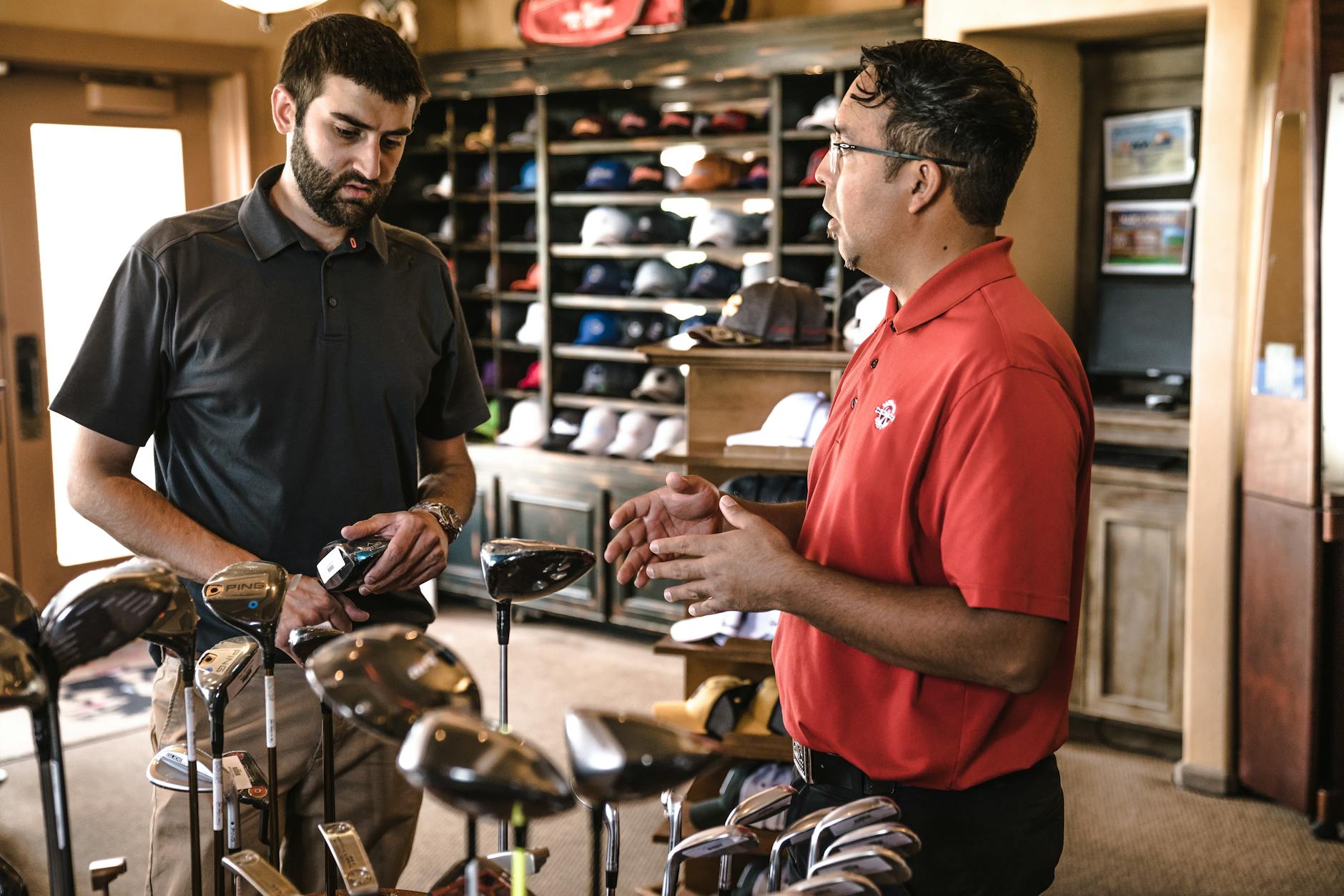
Choosing the right custom products for your business, organisation, or event can feel overwhelming — especially when you’re staring down a long list of options, tight deadlines, and a budget that needs to stretch as far as possible. Whether you’re a Sydney marketing manager putting together a corporate gift pack, a Brisbane school coordinator planning a sports day, or a Melbourne council officer sourcing conference giveaways, the decisions you make early in the process will shape everything from brand perception to cost per unit. This guide is designed to take the guesswork out of ordering custom products in Australia, covering everything from product selection and decoration methods to turnaround times and smart budgeting strategies.
What Are Custom Products and Why Do They Matter?
Custom products are everyday items — apparel, drinkware, stationery, tech accessories, bags, and more — that have been decorated with a logo, message, or brand identity. In a business context, they serve a clear purpose: keeping your brand visible, reinforcing relationships, and creating tangible touchpoints with customers, staff, and prospects.
The power of a well-chosen branded item is hard to overstate. Research consistently shows that promotional products are kept for extended periods — often years — and generate repeated brand impressions at a fraction of the cost of digital advertising. When someone uses a branded keep cup on their morning commute or pulls out a custom pen at a meeting, your brand is travelling with them.
For Australian organisations in particular, custom products play an important role in community building. Sporting clubs across Queensland use branded polo shirts to build team identity. Government departments in Canberra distribute eco-friendly merchandise at public engagement events. Charities in Adelaide use logoed tote bags as donor thank-you gifts. In every case, the product works as a physical ambassador for the brand behind it.
Choosing the Right Custom Products for Your Audience
Not all custom products are created equal, and the most important variable isn’t the product itself — it’s the recipient. Before you commit to any order, spend a few minutes thinking about who will actually use the item, where they’ll use it, and what message you want to send.
Match the Product to the Occasion
Corporate gifts for client appreciation call for a different approach than trade show giveaways or staff onboarding packs. A high-value client might appreciate personalised notebooks or premium promotional jackets, while a mass-audience trade show might call for something compact and cost-effective like a branded USB drive or keyring.
For seasonal gifting, timing matters too. If you’re putting together staff end-of-year hampers, consider winter branded blankets and beanies for colder southern states, or outdoor and leisure items for teams based in Darwin or the Gold Coast. Similarly, promotional sunscreen in Perth is a genuinely useful giveaway for outdoor events in WA — relevance always wins over novelty.
Consider the Sector-Specific Use Case
Different industries have very different needs when it comes to custom products. Industrial businesses in Melbourne’s south-east, for instance, often require durable workwear and safety-related items — a very different brief from a real estate agency sourcing keyrings for real estate settlement gifts. Car dealerships frequently choose promotional metal keyrings for giveaways because they align perfectly with the product being sold.
For businesses operating in the wellness space — spas, yoga studios, beauty clinics — products like promotional yoga mats make an obvious brand fit. The lesson here is simple: the best custom product is the one your audience will genuinely use, not just the cheapest thing available.
Understanding Decoration Methods for Custom Products
The way a product is decorated has a significant impact on both the final look and the overall cost. Different decoration methods suit different materials, order quantities, and artwork styles.
Screen Printing
Screen printing is one of the most widely used methods for custom apparel and drinkware in Australia. It delivers vibrant, durable results and becomes increasingly cost-effective at higher quantities due to the setup process involved. If you’re ordering screen printed custom mugs for a corporate office or running a large batch of branded t-shirts for a community event, screen printing is often the go-to choice.
Embroidery
Embroidery adds a professional, premium feel — particularly suited to polo shirts, caps, and corporate outerwear. It holds up exceptionally well through repeated washing, making it ideal for shirts and polos used as staff uniforms or long-term corporate apparel. The setup involves digitising your artwork into an embroidery file, which usually incurs a one-off fee.
Sublimation
Sublimation printing allows for full-colour, all-over designs and is particularly effective on polyester fabrics. It’s a popular choice for sublimation shirts and custom sportswear where vivid imagery or photographic-quality prints are required. The catch is that sublimation works best on white or very light-coloured items and polyester-based materials.
Other Decoration Methods
Laser engraving is ideal for metal and timber products — think branded awards, keyrings, and premium gift items. Pad printing suits hard promotional items like pens and phone accessories. Digital printing offers versatility for short-run, full-colour jobs on a range of substrates.
Understanding which decoration method works for your product helps you communicate clearly with your supplier and avoid unexpected costs or quality issues. If you’re unsure whether screen printing or digital printing is right for your timeline, our guide to turnaround times for screen printing vs digital printing is a great starting point.
Practical Tips for Ordering Custom Products in Australia
Getting the logistics right is just as important as choosing the right product. Here are some key considerations before you place an order.
Minimum Order Quantities (MOQs)
Most custom products come with a minimum order quantity — this can range from as few as 10 units for some premium items to 100 or more for screen-printed apparel. MOQs exist because setup costs need to be distributed across a run of units to keep per-piece pricing viable. If you’re ordering for a small team or a limited event, check the MOQ carefully and compare it against your actual needs.
Turnaround Times
Standard turnaround in Australia typically ranges from 10 to 15 business days after artwork approval, though express services are available for urgent needs. Factor in time for artwork proofing, revision rounds, production, and delivery — especially if your event has a hard deadline. Orders for remote locations in the Northern Territory or rural Western Australia may require additional shipping time.
Artwork Requirements
Supply your artwork in vector format (usually .AI or .EPS files) for the cleanest results, particularly with embroidery and screen printing. Raster files like JPEGs can work for digital printing but may result in softer edges at larger sizes. Most suppliers will offer a digital proof for approval before production begins — always review this carefully.
Budget Planning
Custom products pricing is almost always tiered — the more you order, the lower the per-unit cost. Before locking in a product, get pricing across multiple quantity breaks so you understand where the value thresholds are. Don’t forget to account for setup fees (which are often charged once per colour or per decoration location), freight costs, and any applicable GST.
Eco-Friendly Custom Products: A Growing Priority
Sustainability is increasingly influencing purchasing decisions for Australian businesses and organisations. Eco-friendly custom products — made from recycled, sustainable, or natural materials — allow organisations to align their branded merchandise with broader environmental values.
Options in this space include recycled PET marketing giveaways, bamboo stationery, organic cotton apparel, and reusable bags. Printed cool bags made from sustainable materials are popular at food festivals and outdoor events across the country. For offices looking to reduce their footprint, solar-powered branded calculators and other sustainable tech items offer a practical, on-brand option.
When sourcing eco-friendly merchandise, ask your supplier about certifications and material sourcing. Greenwashing is a real risk in the promotions industry, so look for products with genuine credentials rather than just eco-sounding names.
Niche and Specialist Custom Products Worth Knowing About
Beyond the obvious categories, there’s a wide range of specialist custom products that can make a big impression in the right context. Promotional tablet stands in Perth are a strong choice for tech-forward businesses or education institutions. Promotional merchandise for quiz nights is a growing category for hospitality venues and community fundraisers. And for organisations developing their broader promotional material in Australia, coordinating multiple product types into a cohesive suite can significantly lift overall brand impact.
For businesses in specific industrial sectors, purpose-driven products can reinforce professional credibility. Our resource on promotional items for south-east Melbourne industrial businesses explores some of the most effective options for trades and manufacturing environments.
Conclusion: Getting the Most From Your Custom Products Investment
Custom products remain one of the most effective and cost-efficient tools available to Australian businesses, organisations, and event planners. With the right product choice, decoration method, and ordering process, they can deliver significant brand value — lasting well beyond the initial interaction.
Here are the key takeaways to carry with you:
- Match the product to the recipient: Relevance drives retention. The best custom product is one your audience will actually use in their daily life.
- Understand your decoration options: Screen printing, embroidery, sublimation, and engraving each have different strengths — choose based on material, quantity, and artwork style.
- Plan your timeline carefully: Build in time for artwork approval, production, and freight, especially for time-sensitive events or deliveries to regional Australia.
- Budget across quantity breaks: Per-unit pricing drops significantly at higher volumes — knowing the tiers helps you make smarter decisions.
- Consider sustainability: Eco-friendly custom products are no longer niche — they’re increasingly expected, particularly in corporate and government contexts.
Taking a strategic approach to custom products doesn’t just save money — it ensures every item you put into the world genuinely represents your brand at its best.