
Eco Friendly Promotional Items: The Complete Guide for Australian Organisations
Discover the best eco friendly promotional items for Australian businesses and events. Tips on products, budgeting, decoration methods, and sustainable sourcing.

Written by
Willow Jensen
Eco & Sustainable Products
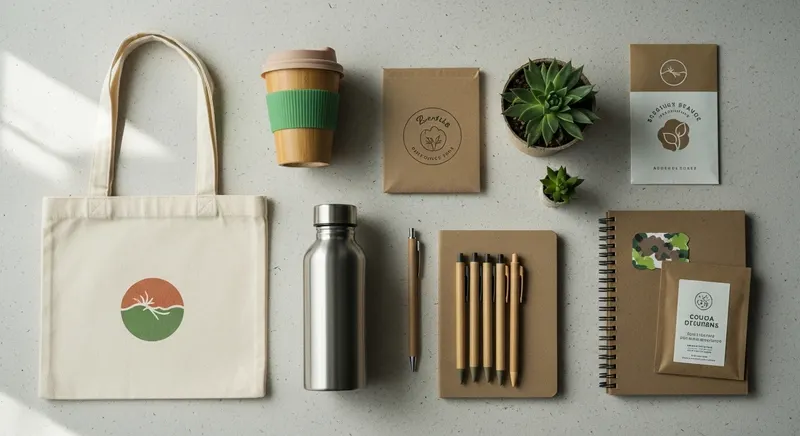
Choosing promotional products that align with your organisation’s values has never been more important. Across Australia, businesses, councils, universities, and event planners are increasingly scrutinising the environmental footprint of their branded merchandise — and for good reason. The days of cheap plastic giveaways that end up in landfill within a week are well and truly behind us. Today, eco friendly promotional items offer a genuine opportunity to reinforce your brand’s commitment to sustainability while delivering real, lasting value to the people who receive them. Whether you’re planning a Melbourne corporate conference, a Brisbane school sustainability day, or a Sydney trade show, this guide covers everything you need to know about making greener choices in your merchandise strategy.
Why Eco Friendly Promotional Items Matter in 2026
The push toward sustainable branded merchandise isn’t just a trend — it’s a reflection of shifting community expectations. Australian consumers and stakeholders increasingly expect the organisations they interact with to back up their green messaging with tangible actions. Handing out a branded reusable item reinforces that your organisation walks the talk. In contrast, cheap single-use merchandise can actually undermine sustainability messaging, creating a contradiction that savvy audiences will notice.
There are commercial benefits too. Research consistently shows that promotional products with practical, everyday utility generate more impressions over time. A well-made reusable coffee cup used daily on a Perth commuter train generates far more brand visibility than a flimsy plastic pen that stops working in a fortnight. When that product is also eco-friendly, it creates an additional positive association — recipients are more likely to keep it, use it, and speak positively about your brand.
For government departments, councils, not-for-profits, and educational institutions, eco-friendly merchandise is often a policy requirement or a funding condition. Adelaide councils running community events or Canberra government departments attending trade expos are increasingly specifying sustainable products in their procurement briefs. Understanding what’s available — and what actually qualifies as sustainable — puts you in a much stronger position to meet these requirements.
What Actually Makes a Promotional Product Eco Friendly?
Before diving into specific product recommendations, it’s worth unpacking what “eco friendly” genuinely means in the promotional products context. The term gets used loosely, and not every product marketed as sustainable actually delivers meaningful environmental benefits.
Materials Matter Most
The most credible eco-friendly promotional items are made from materials with verifiably lower environmental impact. These include:
- Recycled materials: Products made from post-consumer recycled content, such as rPET (recycled polyethylene terephthalate) derived from plastic bottles. Our guide on using recycled PET materials in marketing giveaways across Australia explains how these materials are transformed into quality branded products.
- Sustainably sourced natural materials: Bamboo, organic cotton, jute, cork, and FSC-certified wood all represent renewable, lower-impact alternatives to conventional plastics.
- Reusable products: Items designed to replace single-use alternatives — think reusable tote bags, keep cups, and drink bottles — deliver environmental benefits through displacement of single-use waste over time.
- Biodegradable materials: Some plant-based plastics and natural fibre products will break down more readily at end of life, though the conditions required for proper biodegradation vary widely.
Decoration Methods and Their Impact
The decoration method applied to your eco-friendly product also has an environmental dimension. Water-based inks used in screen printing, for example, have a lower chemical impact than solvent-based alternatives. Laser engraving produces no ink waste at all, making it a popular choice for bamboo and timber items. Digital printing technology has also advanced to the point where it can be applied with minimal waste. Understanding turnaround times for screen printing versus digital printing can also help you plan orders without rushing to wasteful expedited production methods.
Longevity as a Sustainability Factor
A product doesn’t need to be made from bamboo to be sustainable. Durability matters enormously. A high-quality branded item that lasts five years generates a fraction of the waste of a cheaper equivalent replaced every few months. When evaluating eco-friendly options, always consider construction quality alongside material origin.
The Best Eco Friendly Promotional Items by Category
With the foundations covered, let’s look at the specific product categories that offer the strongest eco-friendly credentials and the best brand impact for Australian organisations.
Reusable Drinkware
Reusable drinkware is arguably the gold standard of eco-friendly promotional merchandise. Every reusable coffee cup or drink bottle used instead of a disposable alternative is a genuine, measurable sustainability win.
Reusable coffee cups and travel mugs are perennial favourites at corporate events, university O-weeks, and staff gift programs. Double-walled stainless steel options are particularly durable and well-regarded. Our detailed guide to custom travel mugs covers the range of styles, materials, and branding options available.
Insulated drink bottles perform extremely well as promotional gifts because of their everyday utility. A well-branded thermos-style drinking bottle kept on a desk or taken to the gym generates daily brand impressions over years of use.
For organisations that still want the tactile appeal of a traditional mug — for in-office gifts or event displays — ceramic and enamel options decorated via screen printing on custom mugs are a more sustainable choice than single-use alternatives.
Eco-Friendly Bags
Bags are one of the most visible and high-impact promotional product categories, and the sustainable options are excellent.
Jute and natural straw tote bags offer a beautifully textured, organic aesthetic that resonates particularly well with environmentally minded audiences. Our guide to straw tote bags walks through the styling and customisation options for these popular items.
rPET bags made from recycled plastic bottles are another strong choice. They carry a compelling story — your branded bag was literally made from waste plastic — and the material quality has improved dramatically in recent years.
For organisations needing something more robust, waterproof branded bags made with sustainable materials offer excellent practical utility, particularly for outdoor events, sporting clubs, and trade conferences in coastal cities like the Gold Coast or Darwin.
Sustainable Apparel
Custom apparel is where eco-friendly options have genuinely transformed the market. Organic cotton, recycled polyester, and bamboo-blend fabrics are now widely available across a broad range of product types.
Organic cotton t-shirts and polo shirts are a staple for corporate events, charity fun runs, and school programs alike. The range of styles available means you don’t have to compromise on look or fit to make a sustainable choice. Our comprehensive guide to custom shirts and polos covers the full landscape of branded apparel options.
Sublimation printing on sustainable fabrics has opened up new possibilities for full-colour, vibrant designs on eco-friendly garments — explore how sublimation on shirts works and where it delivers the best results.
For winter campaigns or staff gift programs, branded blankets and beanies made from recycled or sustainably sourced materials make for thoughtful, high-perceived-value gifts.
Wide-brimmed hats made from natural materials like straw or organic cotton are another smart sustainable choice, particularly for outdoor events and agricultural or environmental organisations. Our guide to wide-brimmed branded hats covers the available styles and decoration options.
Eco-Friendly Tech and Office Products
Technology-adjacent promotional products can also make a sustainable statement when chosen thoughtfully.
Solar-powered branded calculators are a smart choice for organisations wanting to demonstrate their green credentials through functional office items. Our post on solar-powered branded calculators for green office supplies covers the product options and branding possibilities in detail.
Recycled material USB drives are another practical choice for tech-adjacent sectors. Schools, universities, government departments, and corporate clients all find USB drives useful, and selecting versions made from recycled or sustainable materials adds a meaningful dimension. See our overview of branded USB drives for the full range of options.
Stationery and Print Collateral
Eco-friendly stationery options have expanded considerably. Notebooks made from recycled paper, bamboo-covered notepads, seed paper business cards, and soy-ink printed materials all offer greener credentials than their conventional counterparts.
For event materials like branded stickers and signage, choosing recycled-substrate or biodegradable options makes a genuine difference. Our guides to promotional stickers for Australian organisations and stickers for print production both touch on material choices and sustainable options.
Budgeting for Eco Friendly Promotional Items
One of the most common concerns organisations raise is cost. Eco-friendly promotional items do sometimes carry a price premium compared to conventional alternatives — but the gap is smaller than many people expect, and it’s narrowing every year as sustainable materials become more mainstream.
Here are some practical budgeting principles:
- Compare cost-per-impression, not just unit price. A reusable item used daily for two years delivers vastly more brand exposure per dollar than a single-use giveaway.
- Leverage bulk pricing. Like all promotional products, eco-friendly items carry tiered pricing — the unit cost drops significantly at higher quantities. A Hobart not-for-profit ordering 50 tote bags will pay more per unit than a Melbourne corporate ordering 500.
- Minimum order quantities (MOQs) for sustainable products typically range from 25 to 100 units depending on the product and supplier. Some items like premium insulated bottles may have slightly higher MOQs.
- Allow adequate lead time. Rushing an order invariably increases costs and environmental impact (expedited freight, air shipping). Plan ahead to allow for standard production and delivery windows.
For organisations interested in white-label or reseller arrangements around sustainable products, our guide to white label promotional products for reseller businesses covers how these arrangements work and what to expect.
Practical Tips for Running a Sustainable Merchandise Campaign
Getting eco-friendly promotional items right goes beyond just selecting sustainable products. Here’s how to run a genuinely green merchandise campaign from start to finish:
- Audit your existing merchandise. Before ordering, assess whether existing stock can be repurposed or redistributed rather than replaced.
- Choose products with actual utility. The most sustainable promotional item is one that gets used regularly and kept for years. A beautiful gym towel made from organic cotton — like those in our guide to branded gym towels — is far more sustainable than a novelty plastic gadget, regardless of its material composition.
- Communicate the story. Tell your audience what the product is made from and why you chose it. This amplifies the sustainability benefit and reinforces your brand messaging.
- Consider packaging. Eco-friendly products packaged in excessive plastic defeat the purpose. Request minimal, recycled, or biodegradable packaging from your supplier.
- Plan for end of life. Where possible, choose products that can be recycled or composted, and communicate this to recipients.
Conclusion: Key Takeaways for Choosing Eco Friendly Promotional Items
Making the shift to sustainable branded merchandise is one of the most impactful changes an organisation can make to its promotional strategy. The products available today are high quality, visually compelling, and genuinely better for the planet. Here are the key points to take away:
- Material choices matter: Look for rPET, organic cotton, bamboo, jute, and other certified sustainable materials as a starting point for evaluating eco friendly promotional items.
- Durability is sustainability: A well-made product that lasts years is more eco-friendly than a cheap alternative that ends up in landfill quickly, regardless of what it’s made from.
- Decoration methods contribute: Water-based inks, laser engraving, and responsible digital printing all reduce the environmental footprint of your finished product.
- Budget smart, not cheap: Compare cost-per-impression and factor in the reputational and relational value of giving your audience something genuinely useful and sustainable.
- Plan ahead and communicate: Allow adequate lead time, order appropriate quantities, and tell the sustainability story — it’s part of the value you’re delivering.