
A Complete Guide to Printing on Shirts for Australian Businesses and Organisations
Discover the best methods for printing on shirts in Australia — from screen printing to sublimation — with tips on costs, MOQs, and decoration choices.

Written by
Mason Park
Custom Apparel
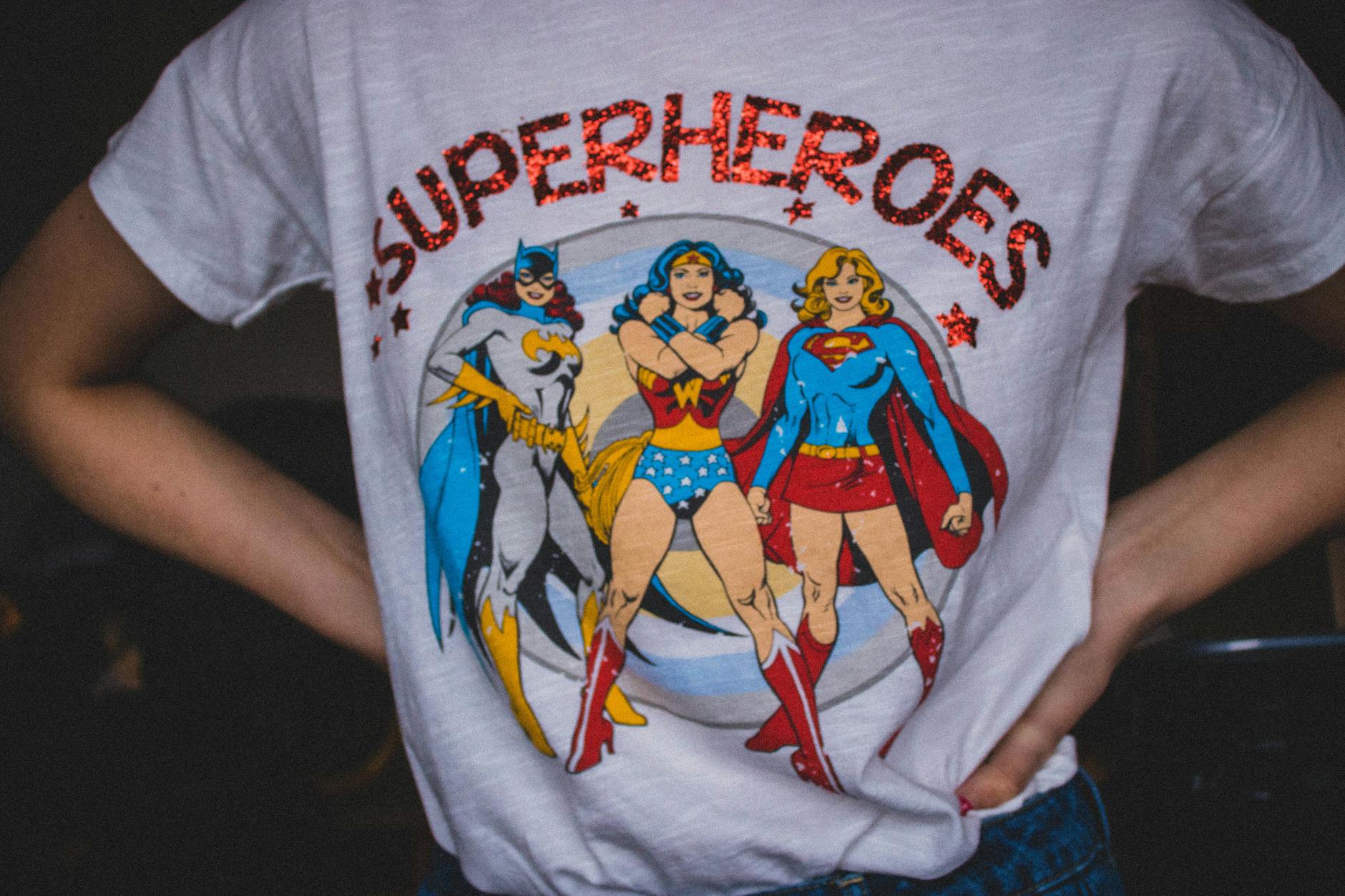
Getting your logo or message onto a shirt sounds straightforward enough — until you’re faced with a dozen different printing methods, varying minimum order quantities, conflicting advice about what works on different fabrics, and a deadline that’s creeping closer by the day. Whether you’re a Sydney-based corporate team ordering staff uniforms, a Gold Coast event organiser sourcing merchandise for an upcoming expo, or a Melbourne charity preparing volunteer shirts for a community fundraiser, understanding how printing on shirts actually works will save you time, money, and a lot of frustration. This guide breaks it all down clearly so you can approach your next branded shirt order with confidence.
Why Printing on Shirts Remains One of the Most Effective Branding Strategies
Shirts are wearable billboards. Unlike a brochure that ends up in the recycling bin or a pen that gets lost in a drawer, a well-designed branded shirt gets worn repeatedly — at work, at events, around the neighbourhood. Research consistently shows that branded apparel generates more impressions per dollar than almost any other promotional product category.
For Australian organisations especially, branded shirts serve a remarkably wide range of purposes. Government departments in Canberra use them for field staff identification. Sporting clubs across Brisbane and Adelaide kit out their volunteers in club colours. Real estate agencies in Perth and Melbourne dress their teams in cohesive, professional polos. Schools in Darwin and Hobart outfit students in sports day tees. The demand is consistent, the use cases are endless, and printing on shirts is as relevant today as it’s ever been.
To explore the full range of shirt and polo options available for custom decoration, our guide to custom shirts and polos is an excellent starting point.
Understanding the Main Printing Methods
Choosing the right decoration method is arguably the most important decision you’ll make in the entire ordering process. Each method has distinct advantages, limitations, and ideal use cases. Here’s what you need to know.
Screen Printing
Screen printing is the industry workhorse for a reason. It produces vibrant, durable prints with rich colour saturation that holds up wash after wash. The process involves creating a separate screen (stencil) for each colour in your design, then pressing ink through the mesh onto the garment.
Screen printing works best when:
- You’re ordering in larger quantities (typically 24 or more garments)
- Your design uses a limited number of solid colours (one to six colours is ideal)
- You want a cost-effective solution that scales well with volume
- You’re printing on cotton or cotton-blend fabrics
Setup fees apply for each colour, which means this method can be costly for small runs. However, once those screens are made, the per-unit cost drops significantly as volume increases — making it excellent value for bulk orders.
Digital Printing (DTG — Direct to Garment)
Direct-to-garment printing works similarly to a regular inkjet printer, but directly onto the fabric. It’s ideal for complex, full-colour designs, photographic imagery, or orders where you need multiple design variations without large setup costs.
DTG is well-suited for:
- Small to medium runs (even single units in some cases)
- Designs with gradients, photographs, or many colours
- Personalised garments (e.g., individual names or numbers)
- Lighter coloured garments (printing on dark shirts requires a pre-treatment step)
The trade-off is that DTG prints can fade faster than screen prints if not cared for properly, and the method doesn’t always achieve the same punchy colour saturation on dark fabrics.
For a detailed breakdown of how these two approaches compare on timeline and cost, our article on turnaround times for screen printing vs digital printing covers the key differences in depth.
Sublimation Printing
Sublimation involves converting dye into gas under heat and pressure, which bonds the ink permanently into the fabric fibres. The result is a print that genuinely becomes part of the garment — it won’t crack, peel, or fade.
The important catch: sublimation only works effectively on polyester fabric (or high-polyester blends) and is only suitable for white or very light-coloured garments. It’s particularly popular for sportswear, team jerseys, and high-visibility event shirts where all-over designs are desired.
Our dedicated guide to shirts with sublimation printing explores this method in much more detail, including the types of garments best suited to the process.
Embroidery
While technically not “printing,” embroidery is a closely related decoration option worth considering. It involves stitching your design directly into the fabric using thread, creating a professional, textured finish that’s associated with quality and prestige.
Embroidery is particularly effective for:
- Corporate polos and business shirts
- Workwear and uniforms
- Caps and hats
- Smaller chest or sleeve logo placements
The main limitation is that embroidery doesn’t handle fine detail or gradient designs well — it’s better suited to clean, bold logos and text.
Heat Transfer and Vinyl
Heat transfer printing uses heat and pressure to bond a pre-printed film or vinyl design onto the garment. It’s versatile and can work across a range of fabric types, but the finish tends to feel more raised than screen print or DTG. It’s commonly used for names and numbers on sports jerseys or when quantities are too small to justify screen setup fees.
Key Factors That Affect Your Printing Decision
Fabric Type and Colour
Fabric composition directly impacts which printing methods are available to you. Cotton shirts take screen printing and DTG beautifully. Polyester is the natural home of sublimation. Blends can complicate things — always check with your supplier before finalising your design and method.
Dark-coloured shirts introduce additional complexity. Screen printing on dark garments may require an underbase layer (an extra white ink layer) which adds to cost. DTG on dark shirts requires pre-treatment. Sublimation simply doesn’t work on dark fabrics.
Artwork Requirements
Regardless of which printing method you choose, you’ll need to supply suitable artwork. Vector files (AI, EPS, or high-resolution PDF) are ideal for screen printing and embroidery. DTG and sublimation can accommodate raster files, but resolution matters — aim for at least 300 DPI at print size.
PMS (Pantone Matching System) colour codes are invaluable for brand-critical orders where colour accuracy is non-negotiable. Always request a physical or digital proof before approving a full run.
Minimum Order Quantities
MOQs vary considerably by method and supplier. Screen printing typically starts at around 12–24 shirts, though most suppliers offer better pricing at 50, 100, or 250 units. DTG can often accommodate single-unit orders. Sublimation is usually most economical at 20+ pieces due to setup requirements.
If you’re also exploring other merchandise for your event or campaign — say, branded bags, drinkware, or stationery — bundling orders through a single supplier can sometimes reduce overall costs and simplify logistics. For instance, our overview of promotional merchandise options in Queensland and broader promotional material across Australia offer useful context for building out a full merchandise mix.
Practical Tips for a Successful Shirt Printing Order
Plan early. Standard turnaround for screen printed shirts in Australia typically runs 10–15 business days from proof approval. Rush orders are possible but carry premium pricing. For large events or conferences, aim to place your order at least four to six weeks out.
Order samples where possible. Before committing to a full run, request a pre-production sample or even a blank garment in the style you’re ordering. Fit and fabric feel vary widely between brands and styles.
Think about placement. The most common print locations are left chest, full front, and full back. Sleeve prints and collar area prints are popular for secondary branding or compliance information (such as ABN or contact details on workwear).
Budget for the full cost. Setup fees, freight, and GST can add meaningfully to your per-unit price. When comparing quotes, always ask for a total landed cost to your location — whether you’re in regional Tasmania or central Brisbane.
Coordinate with other promotional items. Shirts rarely exist in isolation. If you’re running an event, you might pair them with printed cool bags for outdoor activities, or complement corporate shirt orders with USB drives and other desk accessories as part of a broader welcome pack. For winter campaigns, combining shirts with branded blankets and beanies for staff gifts creates a cohesive seasonal gifting experience.
For businesses across South East Melbourne exploring broader uniform and workwear options, our resource on promotional items for South East Melbourne industrial businesses covers relevant apparel and product categories in detail. Additionally, promotional jackets make excellent companions to shirt orders when you’re outfitting a team across multiple seasons.
For event planners considering merchandise beyond apparel, check out our guide to promotional merchandise for quiz nights for ideas that pair well with branded shirts.
Eco-Friendly Options in Shirt Printing
Australian organisations are increasingly prioritising sustainability in their merchandise decisions, and the shirt printing industry has responded. Organic cotton shirts, recycled polyester garments made from PET bottles, and water-based inks for screen printing are all now widely available.
If sustainability is a priority for your organisation, it’s worth asking suppliers specifically about their eco credentials — including whether they use water-based or discharge inks, and whether the blank garments carry certifications like GOTS (Global Organic Textile Standard) or OEKO-TEX.
For a broader look at sustainable merchandise options, our guide to recycled PET marketing giveaways in Australia explores how eco-conscious products are shaping the promotional space.
Conclusion: What to Take Away from This Guide to Printing on Shirts
Printing on shirts is one of the most versatile and cost-effective branding tools available to Australian businesses and organisations — but getting the best results requires understanding your options and planning carefully. Here are the key takeaways:
- Match your method to your needs: Screen printing suits bulk orders with simple designs; DTG works for small runs and complex artwork; sublimation is perfect for all-over polyester prints; embroidery elevates corporate and workwear applications.
- Prepare your artwork properly: Supply vector files where possible, confirm PMS colours for brand-critical orders, and always approve a proof before production begins.
- Understand total costs: Factor in setup fees, freight, GST, and minimum order quantities when comparing quotes — the cheapest per-unit price isn’t always the most cost-effective option overall.
- Plan your timeline: Build in at least four to six weeks for large or time-sensitive orders, and communicate your deadline clearly with your supplier from day one.
- Think holistically: Shirts work best as part of a coordinated merchandise strategy — pairing them with complementary products creates a far stronger brand impression than a standalone garment ever could.