
Screen Printing on Custom Mugs in Australia: A Complete Ordering Guide
Learn everything about screen printing on custom mugs in Australia — decoration methods, MOQs, costs, and tips for businesses and event planners.

Written by
Sienna Chandra
Branding & Customisation
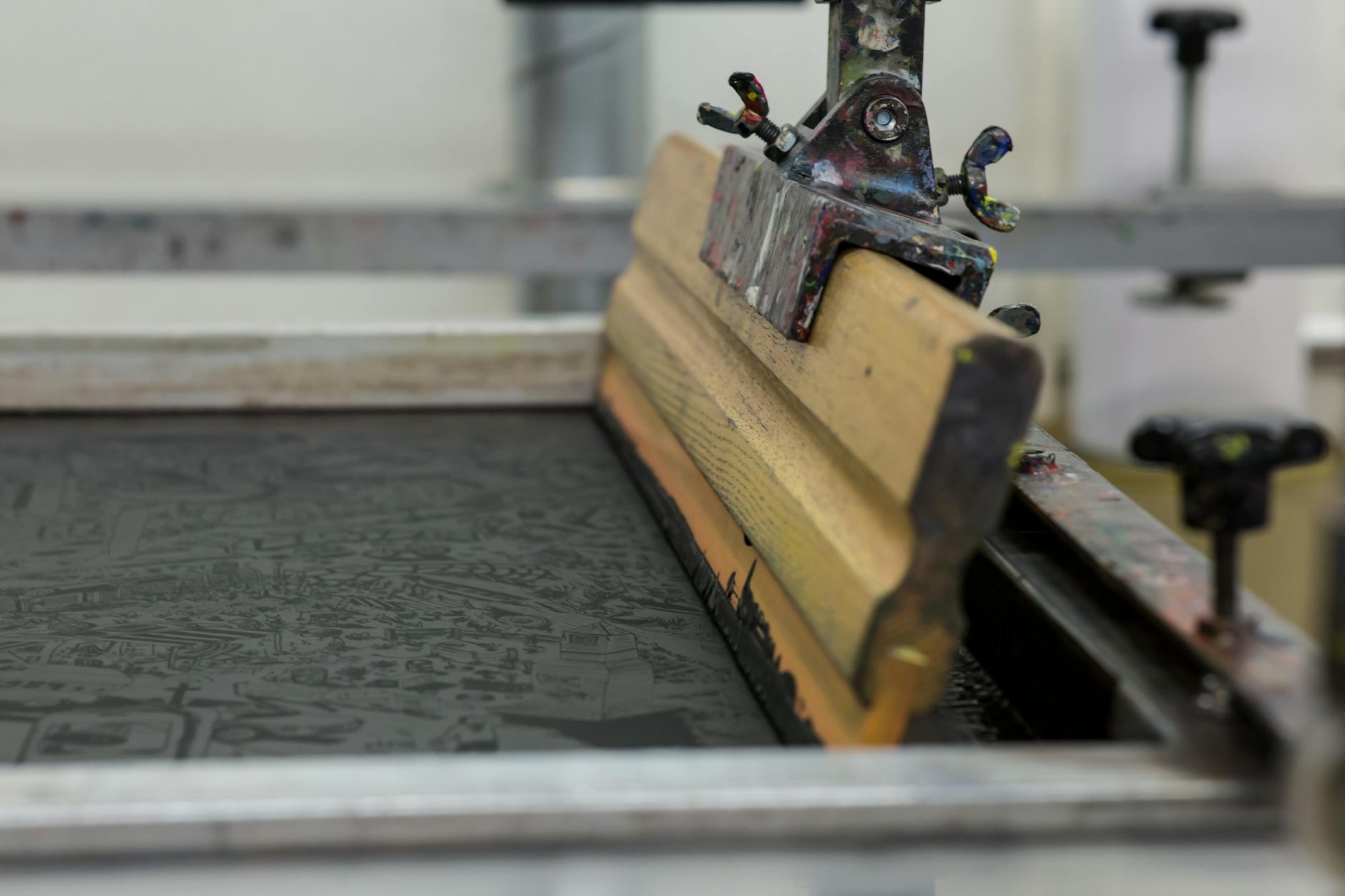
If you’ve ever wrapped your hands around a well-branded mug and thought “that looks sharp,” there’s a good chance screen printing had something to do with it. Custom mugs are one of the most enduring promotional products in Australia — found on office desks in Sydney’s CBD, in school staffrooms across Brisbane, and in conference rooms from Perth to Hobart. But when it comes to decorating them, the process isn’t always as straightforward as people expect. Screen printing on custom mugs in Australia involves specific techniques, material considerations, and ordering requirements that every buyer should understand before placing an order. Whether you’re sourcing branded merchandise for a corporate event, a charity fundraiser, or a team gift, this guide will walk you through everything you need to know.
What Is Screen Printing and How Does It Work on Mugs?
Screen printing is one of the oldest and most widely used decoration methods in the promotional products industry. The process involves pushing ink through a mesh screen (or stencil) onto the surface of the product. Each colour in your design requires a separate screen, which is why screen printing is particularly cost-effective for high-volume orders with limited colour counts.
When it comes to ceramic mugs specifically, the process is slightly different from printing on flat surfaces like t-shirts or paper. Curved ceramic surfaces require specialist screen printing equipment that accommodates the cylindrical shape. Inks used on mugs must also be heat-resistant and food-safe, designed to withstand repeated dishwashing cycles without cracking, peeling, or fading.
It’s worth noting that the term “screen printing” is sometimes used loosely in the mug industry. What many suppliers describe as mug screen printing is technically pad printing — a related process that uses a silicone pad to transfer ink onto curved surfaces. Both are forms of indirect printing, and the results are visually very similar for simple logo applications. If consistency with other print jobs matters to you (say, you’re matching the decoration on apparel or flat stationery), it’s worth asking your supplier to clarify which exact method they’re using.
For more complex, full-colour designs, sublimation printing is often a better fit than screen printing on mugs. However, sublimation requires specific mug substrates (typically polymer-coated), so the two methods aren’t always interchangeable. Understanding turnaround times for screen printing vs digital printing can also help you decide which approach suits your timeline and artwork.
Types of Mugs Suited to Screen Printing in Australia
Not every mug is created equal, and the substrate you choose will influence both the decoration method and the final result.
Standard White Ceramic Mugs
The classic choice. White ceramic mugs are the most widely available promotional mug in Australia and work well with pad printing and screen printing techniques. They’re affordable, universally familiar, and give great colour contrast for logo decoration. Expect MOQs (minimum order quantities) starting from around 48 to 72 units for screen printed ceramic mugs, though this varies between suppliers.
Coloured Ceramic Mugs
Coloured mugs add a premium feel but can complicate artwork. Light-coloured ink printed on a dark mug requires an underbase or may not show true to colour. PMS colour matching becomes especially important here — always request a digital proof and, for large orders, consider a physical sample before committing.
Enamel and Stainless Steel Mugs
Enamel and stainless steel mugs are trending strongly right now, particularly for outdoor events, trade shows, and eco-conscious organisations. Screen printing on metal surfaces generally refers to pad printing in practice. These materials offer great durability and a premium look that works well for corporate gifting. If you’re sourcing eco-friendly alternatives, consider pairing these with a broader strategy — our guide to eco-friendly corporate gifts in Sydney covers sustainable options across drinkware and beyond.
Travel Mugs and Keep Cups
Double-walled travel mugs and keep cups have a smaller printable surface area, which limits how complex your artwork can be. Screen printing on these typically means a one or two-colour logo on one side. For wraparound designs or photographic prints, sublimation is usually the recommended method.
For a broader look at branded drinkware options beyond mugs, it’s also worth exploring custom stubby holders Perth and other drinkware categories that pair well with mugs in gift sets and event packs.
Screen Printing on Custom Mugs: Key Considerations Before You Order
Getting your mug order right the first time saves time, money, and frustration. Here are the most important factors to think through before contacting a supplier.
Colour Count and Artwork Complexity
Screen printing on mugs is best suited to simple, bold designs — think logos, wordmarks, icons, and limited-colour graphics. Each colour requires a separate screen, and setup fees (sometimes called film and screen fees) are charged per colour. A one-colour print on a ceramic mug is the most economical option. If your branding involves gradients, photographic imagery, or many colours, discuss sublimation or digital printing as alternatives.
Setup Fees and Print-Ready Artwork
Most Australian suppliers charge setup fees for screen printing that range from around $30 to $80 per colour. These fees are typically waived or reduced on repeat orders using the same artwork. To avoid delays, ensure your artwork is provided in vector format (AI, EPS, or high-resolution PDF) with Pantone (PMS) colour references. Rasterised or low-resolution files will require redrawing, which can add to both cost and lead time.
Minimum Order Quantities
MOQs for screen printed mugs in Australia typically sit between 48 and 144 units, depending on the supplier and mug type. The unit cost drops significantly at higher quantities — ordering 200 mugs versus 50 mugs can cut the per-unit price almost in half. If you’re planning a conference, trade show, or large corporate event, bulk ordering makes strong financial sense.
For smaller organisations or teams that only need a modest quantity, it may be worth exploring alternatives like digital printing or sublimation, which often have lower MOQs. Comparing decoration methods for different products (like custom embroidered polo shirts with no minimum order) can give you a sense of how MOQ policies vary across the industry.
Turnaround Times
Standard turnaround for screen printed mugs in Australia is generally 10 to 15 business days from proof approval. Rush production is available from some suppliers but typically attracts a premium. If you’re ordering for a specific event — say, a Melbourne conference in June or a Perth school awards night — always factor in shipping time on top of production. Ordering at least three to four weeks in advance is a safe baseline.
Print Area and Placement
Most ceramic mugs have a print area of approximately 70mm x 60mm on one side. Some suppliers offer double-sided printing, which doubles the impression but also increases the cost. Placement is usually on the front of the mug, away from the handle. Confirm the exact print dimensions with your supplier at the quoting stage so your artwork is sized correctly from the start.
Screen Printing vs Other Mug Decoration Methods
Understanding where screen printing fits relative to other decoration options helps you make the best choice for your specific project.
| Method | Best For | Colour Range | MOQ |
|---|---|---|---|
| Screen / Pad Printing | Simple logos, 1–3 colours | Limited | Medium–High |
| Sublimation | Full-colour, wraparound | Unlimited | Low–Medium |
| Laser Engraving | Metal/enamel mugs | N/A (etched) | Low |
| Digital Printing | Complex art, photo | Unlimited | Low |
For premium corporate gifts where longevity and a tactile finish matter, laser engraving on stainless steel mugs is worth considering. Our guide to how to choose rotary engraving for promotional products breaks down when engraving is the right call.
Budgeting for a Custom Mug Order in Australia
For a standard white ceramic mug with a one-colour screen print, you’re generally looking at a landed cost (including GST, decoration, and freight) somewhere in the range of $5 to $12 per unit for orders of 100 or more, depending on the supplier and mug quality. Premium enamel or stainless steel options will sit higher — often $12 to $25 per unit at similar quantities.
When building your budget, remember to account for:
- Setup/screen fees (per colour, one-off)
- Freight costs (particularly for heavier ceramic orders shipping interstate)
- Packaging options (individual gift boxes add cost but significantly lift perceived value)
- Sample orders (strongly recommended for orders of 200+ units)
For organisations sourcing mugs as part of a wider merchandise pack — say, alongside custom protein bars for conference delegate packs or custom screen cleaners for client appreciation — bundling orders with the same supplier can reduce overall freight and setup costs.
Practical Tips for Ordering Screen Printed Mugs in Australia
A few final recommendations to ensure your project runs smoothly:
- Request a physical sample before committing to large quantities, especially if colour accuracy is critical to your brand.
- Ask about dishwasher durability — quality screen printed and pad printed mugs should maintain print integrity for at least 500 dishwasher cycles.
- Consider the end user — office workers, event attendees, and school staff all have different use cases that should inform your mug style selection.
- Align your mug with other branded items — a cohesive kit that includes a branded mug alongside a promotional keyring or fridge magnet creates a stronger brand impression than a standalone item.
- Check the supplier’s proof approval process — always approve a digital proof in writing before production begins to avoid costly reprints.
If you’re building out a comprehensive merchandise strategy alongside your mug order, it’s also worth reviewing current corporate gifting trends and local insights from guides like corporate gifts in Melbourne to make sure your choices resonate with your audience in 2026.
Key Takeaways
Screen printing on custom mugs in Australia is a proven, cost-effective way to get your brand in front of people every single day. Before you place your next order, keep these points in mind:
- Pad printing is often the technical process used for curved ceramic surfaces — confirm the method with your supplier so you understand what you’re getting.
- Simple, bold artwork performs best — limit your design to one or two colours for the sharpest and most cost-effective result.
- MOQs typically start at 48–72 units for screen printed ceramic mugs, with significant per-unit savings at 100+ quantities.
- Budget for setup fees, freight, and packaging alongside unit costs for an accurate total spend.
- Plan your timeline carefully — allow at least three to four weeks from artwork approval to delivery for a standard order.
Whether you’re outfitting a Sydney corporate office, stocking a Brisbane school canteen with staff gifts, or preparing merchandise packs for a national conference, a well-executed custom mug order can deliver brand impressions for years to come.