
Wristband Events: The Complete Guide to Custom Wristbands for Australian Events
Planning wristband events in Australia? Discover how to choose, order, and customise event wristbands that improve access control and boost brand visibility.

Written by
Layla Okoro
Event Merchandise
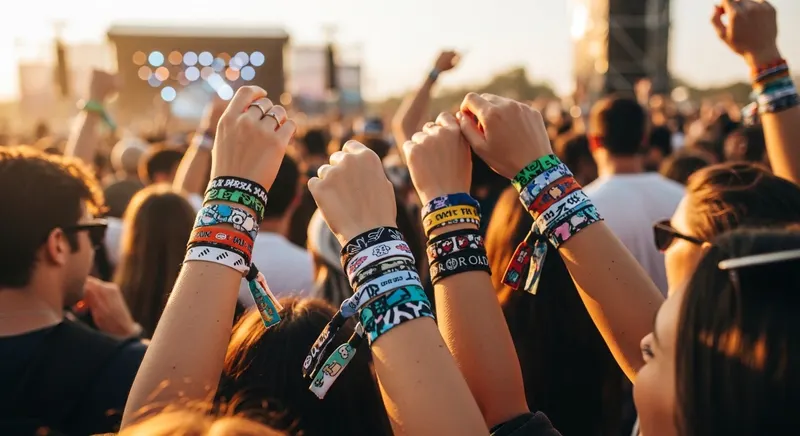
Custom wristbands are one of those deceptively simple products that punch well above their weight at events. Whether you’re organising a multi-day music festival on the Gold Coast, a corporate gala in Melbourne, a school fete in suburban Adelaide, or a charity fun run in Brisbane, wristbands serve a dual purpose that few other event products can match: they manage crowd control efficiently while simultaneously acting as a tangible piece of event branding. Yet many event planners treat them as an afterthought, ordering whatever’s cheapest at the last minute and missing a significant opportunity. This guide covers everything you need to know about using wristbands at events — from choosing the right material and decoration method to ordering timelines, MOQs, and making your wristbands work harder for your event’s brand.
Why Wristbands Are Essential for Wristband Events
At their core, event wristbands exist to identify who belongs where. But once you understand all the ways they can be deployed, it becomes clear they’re far more strategic than a simple access pass.
Access Control and Security
The most obvious function of a wristband at an event is access control. A wristband gives your security and volunteer staff an instant visual indicator of who has paid, who has VIP access, and who is a vendor or staff member. At a multi-day festival in Queensland, for example, different coloured wristbands allow gate staff to quickly distinguish between weekend pass holders, single-day attendees, and backstage crew — without needing to check tickets repeatedly.
Modern wristbands can also incorporate RFID technology, which enables cashless payments and tap-in scanning at ticketed entry points. While this option is more common at large-scale commercial events, it’s worth understanding for organisations planning significant gatherings of 1,000 or more attendees.
Branding and Memorability
A well-designed wristband with your event logo, date, and colour scheme becomes a keepsake. Attendees at music events, sporting competitions, and festivals often wear their wristbands for days or even weeks afterwards — effectively turning every attendee into a walking advertisement for your event. This word-of-mouth brand visibility is genuinely valuable, particularly for annual events that want to build recognition year on year.
When you pair event wristbands with other branded merchandise — think custom travel mugs or personalised towels for gym-style activations — you create a cohesive merchandise suite that elevates the entire event experience.
Types of Wristbands for Events: Which Material Is Right for You?
Not all wristbands are created equal. The right choice depends on your event duration, budget, audience, and the level of branding you want to achieve.
Tyvek Wristbands
Tyvek wristbands are made from a paper-like synthetic material that is water-resistant, tamper-evident, and disposable. They’re the most affordable option and are ideal for single-day events where you need a high volume of wristbands quickly. Think school open days in Canberra, charity markets in Hobart, or one-day community expos in Perth. Tyvek wristbands typically come in rolls of 500 or 1,000, with MOQs as low as 100 units for many Australian suppliers.
Decoration on Tyvek is usually achieved through direct digital printing, which allows for full-colour logos, sequential numbering, and barcodes. Turnaround times for standard Tyvek orders can be as fast as 3–5 business days once artwork is approved, though it’s always wise to allow extra buffer time. For a deeper understanding of how different printing methods affect your timeline, our guide to turnaround times for screen printing vs digital printing is worth reading before you finalise your order.
Silicone Wristbands
Silicone wristbands are durable, reusable, and feel premium in comparison to Tyvek. They’re popular for sporting clubs, charity fundraisers, school spirit campaigns, and corporate wellness events. The classic debossed (recessed) logo gives them a clean, professional finish, though you can also opt for embossed (raised) text, colour-filled lettering, or full-colour printed designs.
MOQs for silicone wristbands in Australia typically start at around 100 units, with significant price breaks at 500 and 1,000+ units. Because they’re reusable and often kept long after the event, silicone wristbands work particularly well as a branded keepsake — similar to how you’d approach custom USB drives or other items attendees genuinely hold onto.
Fabric Wristbands
Fabric or woven wristbands are the premium tier of event wristbands. Made from polyester or cotton, they feature a plastic or metal closure that makes them tamper-evident and difficult to remove without tearing. Music festivals, VIP corporate events, and multi-day conferences favour fabric wristbands for their durability and high-end look.
Decoration options include woven-in text and logos (produced on a loom during manufacturing), printed designs, or a combination of both. Lead times for fabric wristbands are typically longer — allow 10–15 business days for standard orders from Australian suppliers, and up to 20+ business days if you’re importing from overseas. For events in Darwin or regional Western Australia where shipping adds additional time, planning ahead is especially critical.
Vinyl and Plastic Wristbands
Vinyl wristbands offer a middle ground between Tyvek and fabric. They’re waterproof, comfortable to wear for multiple days, and available in a wide range of colours. They snap into place with a plastic closure and are difficult to transfer between wearers, making them an effective security measure. These are popular at aquatic events, outdoor festivals, and theme parks. Decoration is typically done through digital printing or laser engraving on the clasp.
Designing Custom Wristbands: What to Consider
Great wristband design balances functionality with visual appeal. Here are the key design considerations for your event wristbands.
Colour Coding Your Access Tiers
For multi-tiered events, a colour-coded system is the clearest approach. Assign a distinct colour to each access level — general admission, VIP, staff, media, sponsors — and brief your team thoroughly on what each colour means. Keep it simple: using more than five or six colours in a single event can create confusion at entry points.
If your event already has established brand colours, work within that palette. Colour consistency across your wristbands, printed stickers and decals, signage, and other collateral creates a polished, professional event identity.
Artwork and Branding Requirements
Most Australian suppliers require vector artwork files (typically .AI or .EPS format) for the cleanest print results on wristbands. If your logo is only available in low-resolution formats, ask your supplier about art preparation services — many can convert files for a small fee.
For Tyvek and vinyl wristbands, allow for the restricted print area (usually around 250mm x 25mm) when laying out your design. Key branding elements to include are your event name, date, year, and logo. If you’re running an annual event, including the year (2026, for instance) helps distinguish wristbands from previous years and makes each one a collectible.
Numbering and Barcodes
Sequential numbering and barcodes are particularly useful for high-security events or those using digital ticketing platforms. Numbered wristbands allow you to track how many have been distributed and flag if duplicates are presented at entry. Barcode or QR code printing is available on Tyvek and some vinyl options at minimal additional cost.
Ordering Wristbands for Your Event: Practical Tips
Getting your wristband order right the first time saves stress, money, and last-minute courier fees. Here’s what experienced event planners keep in mind.
Calculate Your Quantities Carefully
Order slightly more than you need — a buffer of 5–10% is standard practice. Wristbands are inexpensive enough that the cost of ordering extras is far lower than the cost of running short on the day. For a Brisbane community festival expecting 2,000 attendees across two days, a safe order might be 2,200–2,300 wristbands. Factor in staff, volunteers, vendors, and any complimentary passes when calculating totals.
Budget Realistically
Tyvek wristbands are genuinely cost-effective, often available for as little as 15–30 cents per unit at volume. Silicone wristbands range from approximately $1.50 to $3.50 each at 500+ units, depending on the decoration method. Fabric wristbands sit higher, often between $2.50 and $6.00 per unit. Setup fees vary by supplier and decoration method, so always confirm total landed costs before committing.
Wristbands are just one component of your event merchandise budget. If you’re equipping staff and volunteers with branded gear, items like wide-brimmed hats for outdoor events or waterproof bags for wet weather should also be factored into your planning.
Allow Adequate Lead Time
Rushing a wristband order is one of the most common — and most avoidable — mistakes event organisers make. As a general rule:
- Tyvek wristbands: Allow 5–7 business days minimum
- Silicone wristbands: Allow 10–14 business days
- Fabric wristbands: Allow 15–20 business days
- RFID/tech-enabled wristbands: Allow 20–30+ business days
Add extra time if your event falls near public holidays, or if you’re ordering during peak periods (October through December is notoriously busy for Australian event suppliers).
Request Samples Before Committing
For large orders or premium events, always request a physical sample before approving a full production run. This is especially important for silicone and fabric wristbands, where colour accuracy, logo clarity, and sizing can vary between suppliers. Most reputable Australian suppliers will provide pre-production samples or digital proofs for approval.
Making Wristbands Part of a Broader Event Merchandise Strategy
Wristbands are most effective when they’re part of a cohesive merchandise strategy. Attendees who receive a well-curated merchandise bundle — a tote bag, a branded drink bottle, a wristband, and perhaps a personalised notebook or stationery item — leave with a far stronger impression of your event than those who receive nothing beyond their entry pass.
Consider pairing wristbands with branded thermos drinking bottles for outdoor summer events, or with custom umbrellas for events in Melbourne or Hobart where the weather is unpredictable. For corporate conferences and expos, a bundle that includes a wristband alongside branded USB drives or eco-friendly sustainable products communicates that your organisation thinks about the details.
If you’re sourcing merchandise across multiple product categories and managing a reseller arrangement, our overview of white label promotional products for reseller businesses is a useful reference for understanding how branded merchandise supply chains work.
For events with a sustainability focus — increasingly common for Melbourne councils, Sydney universities, and national not-for-profits — consider whether silicone or fabric wristbands (which attendees keep and reuse) are a better choice than single-use Tyvek. Pairing reusable wristbands with other sustainable product choices sends a consistent message about your organisation’s values.
Conclusion: Key Takeaways for Wristband Events
Wristbands are a small investment that delivers outsized value at events of all shapes and sizes. When chosen thoughtfully and ordered with adequate lead time, they do far more than control access — they become part of your event’s identity and extend your brand visibility long after the closing act.
Here are the key takeaways for anyone planning wristband events in Australia:
- Match the material to the event: Tyvek for single-day high-volume events, silicone for reusable branded keepsakes, fabric for premium multi-day experiences, and vinyl for wet or aquatic environments.
- Plan your quantities with a buffer: Order 5–10% more than your expected attendance, accounting for staff, volunteers, and complimentary passes.
- Allow realistic lead times: Even the fastest Tyvek orders need at least 5 business days — plan accordingly and avoid costly rush fees.
- Use colour coding for tiered access: A clear, simple colour system briefed to all staff reduces confusion and improves security at entry points.
- Integrate wristbands into your broader merchandise strategy: Pairing wristbands with other branded products creates a memorable, cohesive attendee experience that reinforces your event brand long after the day is done.