
Custom Stuffed Animals as Branded Merchandise: The Complete Australian Guide
Discover how Australian businesses and organisations can use custom stuffed animals as powerful branded merchandise. Tips on ordering, costs & more.

Written by
Layla Okoro
Event Merchandise
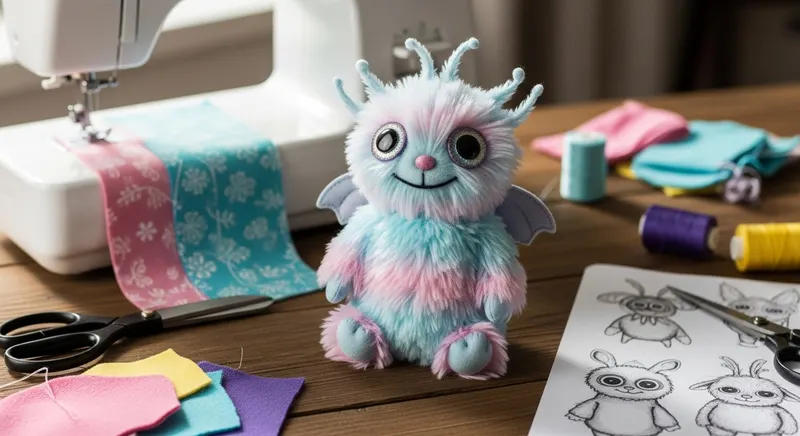
Plush toys might not be the first thing that comes to mind when you think of branded merchandise — but custom stuffed animals are quietly one of the most memorable, emotionally resonant promotional products available to Australian organisations. From children’s hospitals in Sydney distributing comfort toys to young patients, to Gold Coast tourism operators creating branded mascots, to Melbourne universities producing plush versions of their official animals for O-Week giveaways, the applications are broader and more impactful than most merchandise buyers realise. If you’re exploring custom stuffed animals for your organisation, this guide covers everything you need to know — from design and decoration options through to MOQs, turnaround times, and budget considerations.
Why Custom Stuffed Animals Work So Well as Branded Merchandise
There’s a reason why some of the world’s most recognisable brands invest heavily in plush mascots and branded soft toys. Unlike a pen or a tote bag, a stuffed animal creates an emotional connection. It gets kept. It sits on desks, in cars, in children’s bedrooms — continuously exposing the brand to its environment in a way that purely functional items rarely achieve.
For Australian organisations, this longevity makes custom stuffed animals an exceptionally strong return on investment when measured against typical branded merchandise. A well-made plush toy with your logo or mascot can remain in circulation for years, not weeks.
The Emotional Value of Plush Promotional Products
The psychology behind soft toys is well established. They trigger warmth, comfort, and positive associations — all of which transfer to your brand when the product is well executed. This makes custom stuffed animals particularly effective for:
- Charities and not-for-profits running fundraising campaigns or awareness drives
- Children’s healthcare organisations in cities like Brisbane, Perth, and Adelaide
- Schools wanting to build community spirit with a school mascot plush
- Sporting clubs creating collector items for junior members
- Tourism operators selling destination-themed plush as retail merchandise
- Corporate brands launching a mascot-driven campaign or event activation
The key insight here is that custom stuffed animals work across audiences. Yes, children respond strongly to them — but adults are equally susceptible to a beautifully made plush that reminds them of a brand they love.
Understanding Custom Stuffed Animal Options for Australian Buyers
Before diving into the ordering process, it’s worth understanding the different product formats available under the umbrella of “custom stuffed animals.” This isn’t a one-size-fits-all category.
Fully Custom Plush (Mascot Manufacturing)
This is the premium tier. A fully custom stuffed animal is manufactured from scratch to match your design — your mascot, your character, your animal, your dimensions. This approach involves a design brief, prototyping, sample approval, and then production. Minimum order quantities for fully custom plush manufacturing typically start around 500 units, though some suppliers work at lower MOQs for very simple designs. Turnaround times are longer — often 10 to 16 weeks including shipping from overseas manufacturing (most plush toys are produced in China).
This route is ideal for organisations with a genuine mascot or character asset they want to bring to life as a three-dimensional branded object.
Standard Plush with Logo Decoration
The more accessible option for most Australian buyers is a standard-format stuffed animal — bears, dogs, kangaroos, koalas, and other pre-made shapes — customised with your branding via embroidery, screen printing on a sewn-on patch, or printed ribbon/bandana accessories. This approach dramatically reduces MOQs (often as low as 25–50 units) and shortens lead times considerably.
For a Canberra government department running a community event, or a Darwin tourism bureau wanting a small run of branded koalas for VIP gifting, this is usually the most practical and cost-effective path.
Branded Plush Keyring and Mini Accessories
Smaller-format plush items — keyrings, bag charms, mini mascots — sit at a lower price point and work well as event giveaways, conference swag, or retail add-ons. They can be ordered in smaller quantities and are easy to distribute at trade shows or include with product orders.
Decoration Methods for Custom Stuffed Animals
Decoration is where your branding comes to life on a plush product, and the approach differs significantly from hard-goods promotional merchandise like custom stickers or USB drives.
Embroidery
Embroidery is the gold standard for plush branding. A logo or text is stitched directly onto the fabric of the toy, creating a durable, tactile finish that won’t fade or peel. It works best for simple logos, text, or icons — highly detailed artwork doesn’t translate well to embroidery on soft fabric. This is the most common method used on standard plush products.
Sewn-On Patches and Labels
A printed or woven patch can be sewn onto the toy — on the chest, back, or foot. This allows for more colour and detail than embroidery and is widely used for mascot-style products where the logo needs to be reproduced accurately.
Printed Bandanas, Scarves, and T-Shirts
Many standard plush formats come with removable accessories — a small bandana or miniature t-shirt that can be screen printed or digitally printed with your logo. This is a cost-effective way to add prominent branding without modifying the toy itself, and works well for short runs.
Hang Tags and Swing Tags
A branded hang tag doesn’t add decoration to the toy itself, but it extends the brand story — especially useful for retail or premium gifting contexts. Swing tags can include your logo, URL, QR code, and brand messaging in a format that complements the product.
Ordering Custom Stuffed Animals in Australia: Practical Considerations
Getting a custom stuffed animal order right requires attention to a few practical details that differ from ordering more standard promotional products.
Lead Times and Planning
If you’re ordering fully custom plush, plan for a minimum of 12–16 weeks from artwork approval to delivery in Australia. Standard plush with decoration runs faster — typically 3–6 weeks depending on complexity — but this still requires advance planning. If your merchandise is tied to a specific event or campaign launch, work backwards from your required date and add buffer time. For comparison, you can explore turnaround times for screen printing vs digital printing to understand how different decoration methods affect production speed on other product types.
Safety Standards
Any plush toy intended for children in Australia must comply with Australian/New Zealand Standard AS/NZS 8124, which covers toy safety. This includes requirements around small parts, material safety, and labelling. Reputable suppliers will be able to provide compliance documentation — always ask for this if your custom stuffed animal will be distributed to or used around children.
Budget Considerations
Pricing for custom stuffed animals varies widely based on:
- Size and complexity of the plush
- Whether it’s fully custom or a standard shape with decoration
- Order quantity (bulk pricing applies)
- Decoration method and number of colours
- Shipping costs from overseas manufacturing
As a rough guide, standard plush bears or animals with basic embroidery decoration in quantities of 100+ typically fall in the $8–$18 per unit range. Fully custom manufactured mascots at 500+ units can range from $15–$40+ per unit depending on complexity. These are indicative figures — always get formal quotes.
For organisations managing broader merchandise budgets, it’s worth exploring white label promotional products for reseller businesses if you’re sourcing across multiple product categories.
Artwork Requirements
Fully custom plush requires detailed 3D design work — most suppliers will work from your 2D artwork to create a prototype. For decorated standard plush, you’ll need vector artwork of your logo (AI or EPS format) for embroidery digitisation. Ensure your brand colours are specified accurately; unlike hard goods where you might request PMS colour matching, plush fabric matching is more approximate and relies on the supplier’s available fabric swatches.
Creative Applications Across Australian Organisations
To bring this to life, consider how different types of Australian organisations are using custom stuffed animals effectively.
A Brisbane primary school commissions a small run of plush versions of their school mascot — a pelican — to sell at the annual fete. Parents snap them up, children carry them to school, and the mascot becomes a genuine community symbol rather than just a logo on a letterhead.
A Sydney-based animal welfare charity creates branded dog plush toys as part of a fundraising drive, packaging them with a donation ask card. The emotional alignment between the product (a soft toy dog) and the cause (protecting dogs) creates an almost irresistible giving moment.
A Melbourne conference organiser includes small branded bear keyrings in delegate bags alongside other merchandise like custom travel mugs and branded water bottles — the plush item becomes the conversation starter at the event.
A Perth tourism operator stocks custom koala and quokka plush toys in their gift shop, using them as a retail revenue line rather than pure giveaway merchandise. The key difference here is quality — retail-grade plush has a higher perceived value that supports a genuine price point.
Beyond these examples, custom stuffed animals also pair well with seasonal gifting strategies. Combined with winter branded blankets and beanies for staff gifts, plush items can form part of a cohesive seasonal gift pack that creates a strong impression.
Complementary Merchandise to Pair With Custom Stuffed Animals
For events, campaigns, or gift packs, custom stuffed animals work best as part of a curated merchandise mix. Some strong companion products to consider include:
- Custom wristbands for events — particularly for children’s events or school activities
- Personalised tea towels for community organisation fundraisers
- Custom straw tote bags as carry bags for retail plush packaging
- Eco-friendly and sustainable products for organisations wanting to align their merchandise with environmental values
- Wide-brimmed hats for outdoor events where plush toys might be part of a broader merchandise offering
- Custom gym towels and branded umbrellas for sporting clubs running broader merchandise programs alongside mascot plush
A cohesive merchandise strategy always outperforms individual one-off products, so thinking about how your custom stuffed animal fits within a broader brand story is well worth the extra planning time.
Conclusion: Key Takeaways for Ordering Custom Stuffed Animals in Australia
Custom stuffed animals occupy a unique position in the promotional products landscape — they’re high-impact, emotionally resonant, and genuinely kept and used by recipients. Whether you’re a charity in Adelaide, a school in Hobart, a tourism operator in Queensland, or a corporate brand launching a mascot campaign, the right plush product can deliver standout brand exposure that functional merchandise simply can’t replicate.
Here are the key things to remember as you plan your order:
- Choose the right product format: Fully custom plush manufacturing delivers the most impactful result but requires longer lead times, higher MOQs, and larger budgets. Decorated standard plush is faster, more accessible, and still highly effective.
- Plan well in advance: Allow 12–16 weeks for fully custom orders, and 3–6 weeks minimum for standard decorated plush — always build in buffer time for events and campaigns.
- Prioritise safety compliance: If your product will be used by or around children, ensure your supplier can provide documentation confirming compliance with Australian toy safety standards.
- Consider the full merchandise mix: Custom stuffed animals work best as part of a curated product selection, not in isolation.
- Think retail as well as giveaway: High-quality custom stuffed animals can function as retail merchandise with a genuine price point, turning a merchandise item into a revenue stream.