
Customisable Stuffed Animals: The Complete Guide for Australian Organisations
Discover how customisable stuffed animals can boost brand recognition for Australian businesses, schools, and events. Ordering tips, MOQs & more.

Written by
Archer Woods
Drinkware
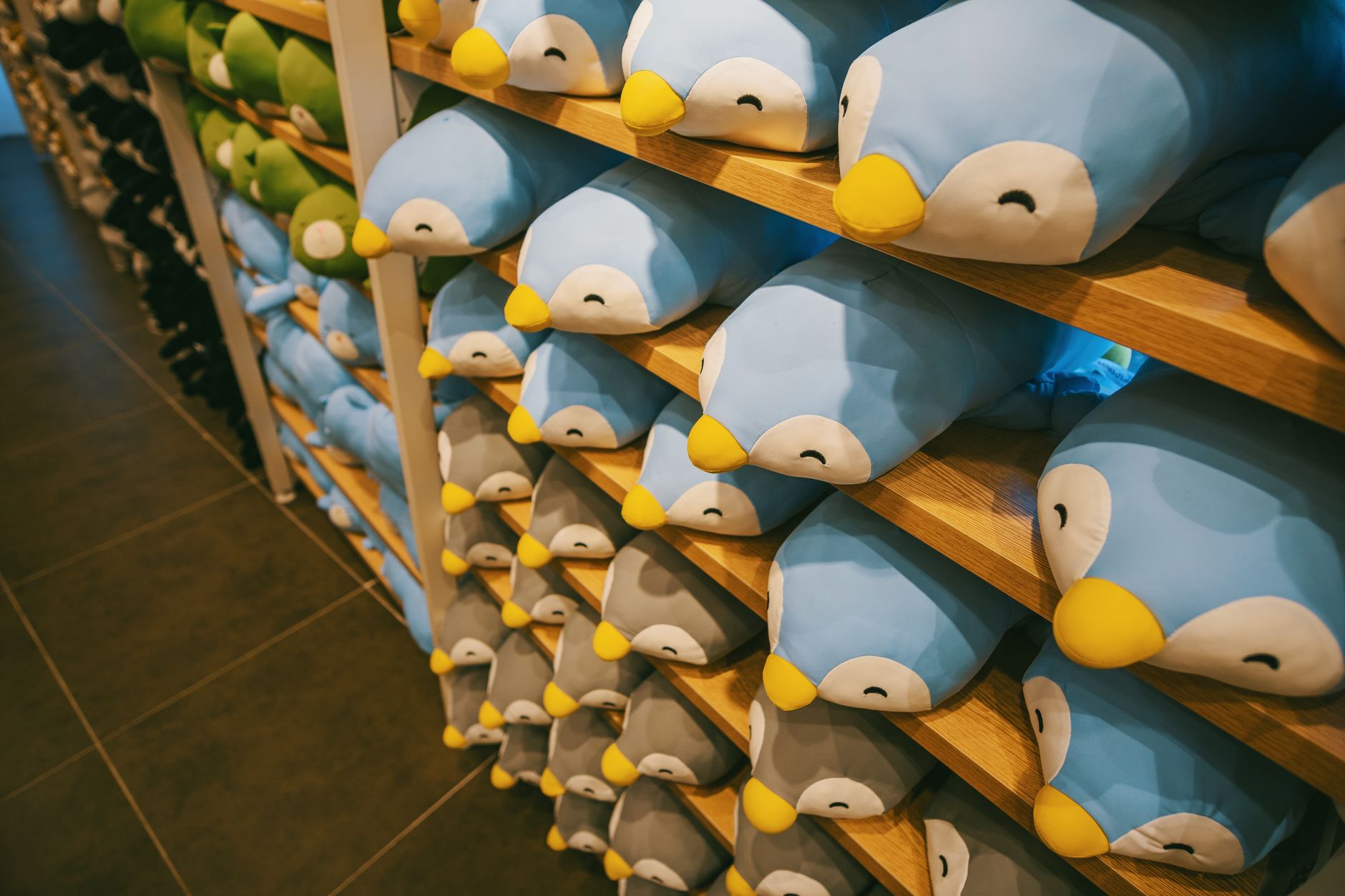
Customisable stuffed animals might not be the first thing that springs to mind when you think of branded merchandise — but for the right organisation, they can be one of the most powerful promotional products you’ll ever invest in. Whether you’re a children’s charity in Brisbane looking for a signature fundraising item, a Perth healthcare brand wanting to comfort young patients, or a Gold Coast tourism operator building a memorable keepsake range, custom plush toys deliver something most promotional products simply can’t: an emotional connection. People don’t throw stuffed animals in a drawer or leave them on a trade show table. They take them home, display them, and remember where they came from.
This guide walks you through everything Australian organisations need to know about ordering customisable stuffed animals — from decoration options and minimum order quantities to turnaround times, budget planning, and practical use cases across a wide range of sectors.
Why Customisable Stuffed Animals Work as Branded Merchandise
There’s a reason why major global brands invest heavily in plush mascots and branded soft toys. The psychology is straightforward: soft, tactile objects create warmth and positive associations. When your logo or branding is attached to something that makes someone smile, that emotional response transfers directly to your organisation.
For Australian businesses and organisations, this translates into some genuinely impressive use cases. A Melbourne children’s hospital might brand plush bears with a caring, friendly character to help ease anxiety during admissions. A Sydney university might produce a custom koala or wombat mascot plush as part of a student welcome pack. A Brisbane sporting club might sell branded plush versions of their team mascot at merchandise stalls. The versatility of customisable stuffed animals is part of their appeal.
Who Orders Custom Plush Toys in Australia?
The sectors that most commonly order customisable stuffed animals in Australia include:
- Children’s charities and not-for-profits — fundraising products, donor thank-you gifts, and awareness campaigns
- Healthcare organisations — paediatric wards, dental practices, and community health campaigns
- Schools and early childhood centres — reading mascots, school fairs, and end-of-year gifts
- Tourism operators and visitor centres — branded Australian animal plush toys as souvenirs
- Sporting clubs and associations — team mascot plush toys for merchandise tables
- Corporate event planners — novelty giveaways for family-friendly events and conferences with a creative brief
- Real estate agencies — settlement gifts for families buying their first home
- Retail brands — co-branded or white-label plush for product launches
Understanding Customisation Options for Plush Toys
Not all customisable stuffed animals are created equal. When you start exploring options with a supplier, you’ll quickly discover there’s a broad spectrum of customisation levels, each with its own cost and lead time implications.
Branded Accessories and Embroidery
The most accessible and affordable entry point is branding through accessories or embroidery on an existing stock plush toy. This means choosing from a supplier’s ready-made animal shapes — bears, dogs, rabbits, kangaroos, and koalas are popular in Australia — and adding your logo or branding through:
- Embroidered patches on the chest, ear, or foot
- Printed or embroidered bandanas and scarves tied around the neck
- Custom t-shirts or vests fitted to the plush toy
- Swing tags or hang tags with full-colour custom printing
- Eye or nose embroidery in brand colours
This approach typically comes with lower minimum order quantities (MOQs), often as low as 25–50 units, making it accessible for smaller organisations. Turnaround times are also faster — often 3 to 5 weeks from artwork approval for domestically assembled options.
Semi-Custom Plush Toys
The next level up involves modifying an existing plush template more substantially — changing fabric colours, adjusting features, or adding custom branded elements beyond accessories. MOQs here tend to increase, commonly sitting at 100–300 units, and lead times extend to 6–10 weeks, particularly for items manufactured offshore and shipped to Sydney, Melbourne, or other major Australian ports.
Fully Custom Plush Toys
A fully custom stuffed animal is designed from scratch to your specifications. This could be a plush version of your brand mascot, a unique character you’ve developed for a campaign, or a novelty shape that ties directly to your brand identity. Full customisation includes:
- Custom shape and silhouette
- Bespoke fabric colours and textures
- Embroidered or printed facial features
- Internal components like sound chips or squeakers
Fully custom plush toys are a significant investment. MOQs typically start at 500 units or more, and lead times can stretch to 12–16 weeks depending on complexity and production location. Budget planning is critical here — factor in design fees, pre-production samples (essential for quality approval), and freight from overseas factories.
Decoration Methods Explained
If you’ve been researching custom merchandise for a while, you’ll be familiar with decoration methods like screen printing and digital printing. With plush toys, the decoration landscape is a little different. The most common methods include:
- Embroidery — the gold standard for durability on fabric surfaces; logos and text are stitched directly into the plush material or onto a patch
- Heat transfer printing — used on flat fabric accessories like t-shirts or bandanas fitted to the toy
- Full-colour sublimation — suitable for polyester fabric elements and accessories
- Digital printing — used on swing tags, hang tags, and packaging materials
- Pad printing — occasionally used for hard plastic accessories or buttons on plush toys
Embroidery is the most recommended method for the plush toy itself. It’s wash-safe, durable, and gives a premium finish that holds up over years of use. If your logo has fine detail or gradients, your supplier may recommend placing it on an embroidered woven patch rather than stitching it directly.
Practical Ordering Advice for Australian Organisations
Getting a custom plush order right requires solid planning. Here’s what experienced merchandise buyers in Australia know before they place an order.
Start With a Clear Brief
Know your audience, your purpose, and your budget before approaching a supplier. Are these toys for children under 3? If so, safety compliance is non-negotiable — AS/NZS 8124 (the Australian toy safety standard) applies, and you’ll need to confirm your supplier can provide testing documentation. Don’t skip this step for healthcare or childcare environments.
Allow Adequate Lead Time
Rush orders and plush toys don’t mix well. Even simpler branded accessory options need several weeks. If you’re ordering for a specific event in Adelaide or Hobart, build in buffer time. For fully custom designs, start conversations with your supplier 4–6 months ahead of your deadline.
Order Samples Before You Commit
Always request a pre-production sample before approving large runs. Photos can be misleading — you want to feel the fabric, check the stitching quality, and confirm the branding looks exactly as expected. Yes, samples cost money and time, but they’re far cheaper than a production run that misses the mark.
Think About Packaging
Presentation elevates perceived value. A branded plush toy in a plain polybag feels very different from the same toy in a custom-designed box with tissue paper and a branded insert card. If your toys are going out as premium gifts or retail items, packaging is worth budgeting for. This also applies to any swing tags, which can carry additional product information, campaign messaging, or QR codes.
Budget Realistically
Entry-level branded plush (stock toy with embroidered patch and bandana) might start around $8–$15 per unit at MOQ. Semi-custom options at 200 units commonly land between $15–$30 per unit. Fully custom designs at 500+ units can range from $20 upward depending on complexity, materials, and freight. These figures are indicative — get formal quotes from multiple suppliers.
Creative Use Cases for Events and Campaigns
Custom plush toys shine at events. An event planner organising a family-focused conference in Canberra might use branded bears as delegate welcome gifts for attendees travelling with children. A charity walk in Darwin might sell limited-edition custom plush toys as fundraising items. A brand activation in a Melbourne shopping centre might use a custom mascot plush as a social media competition prize.
If you’re building a broader merchandise range alongside your custom plush order, it’s worth thinking about complementary products. From custom travel mugs and personalised tea towels to branded thermos bottles and wide-brimmed hats, a cohesive merchandise collection reinforces brand identity across multiple touchpoints. For events with sustainability goals, pairing your plush range with eco-friendly and sustainable products sends a consistent values-based message to your audience.
You might also consider rounding out your merchandise mix with custom stickers for packaging, USB drives for tech-forward delegate packs, or waterproof bags for outdoor or adventure-themed events. If you’re looking to resell branded products rather than use them for internal campaigns, our guide to white label promotional products for reseller businesses is worth a read.
For organisations sourcing across a wider range of categories — from straw tote bags to branded gym towels and wholesale umbrellas — having a go-to supplier relationship matters enormously. Understanding where to find reliable stationery and product suppliers is part of building a smooth merchandise operation year-round.
Other products worth exploring for complete brand campaigns include varsity jackets for school and university audiences, winter branded blankets and beanies for staff gifts, and even solar-powered branded calculators for green office supply bundles. If vehicle branding is part of your marketing, our guide to vehicle logo applications covers that territory well.
Key Takeaways
Customisable stuffed animals offer a unique combination of emotional resonance, versatility, and brand visibility that few promotional products can match. Whether you’re a small school in regional Queensland or a national healthcare brand, there’s a custom plush solution that fits your brief and budget.
Here’s what to remember as you move forward:
- Customisation levels vary widely — from simple embroidered accessories on stock toys through to fully bespoke mascots, each tier has different MOQs, lead times, and price points
- Safety compliance matters — for any plush toy intended for children, confirm your supplier meets Australian toy safety standards (AS/NZS 8124) and can provide documentation
- Allow plenty of lead time — 4–6 months for fully custom designs; at minimum 3–5 weeks even for simpler branded options
- Invest in pre-production samples — always approve a physical sample before committing to a full production run
- Think beyond the toy itself — packaging, swing tags, and complementary merchandise items all contribute to the overall brand experience and perceived value of your customisable stuffed animals